Are Piano Lessons Good for Kids?
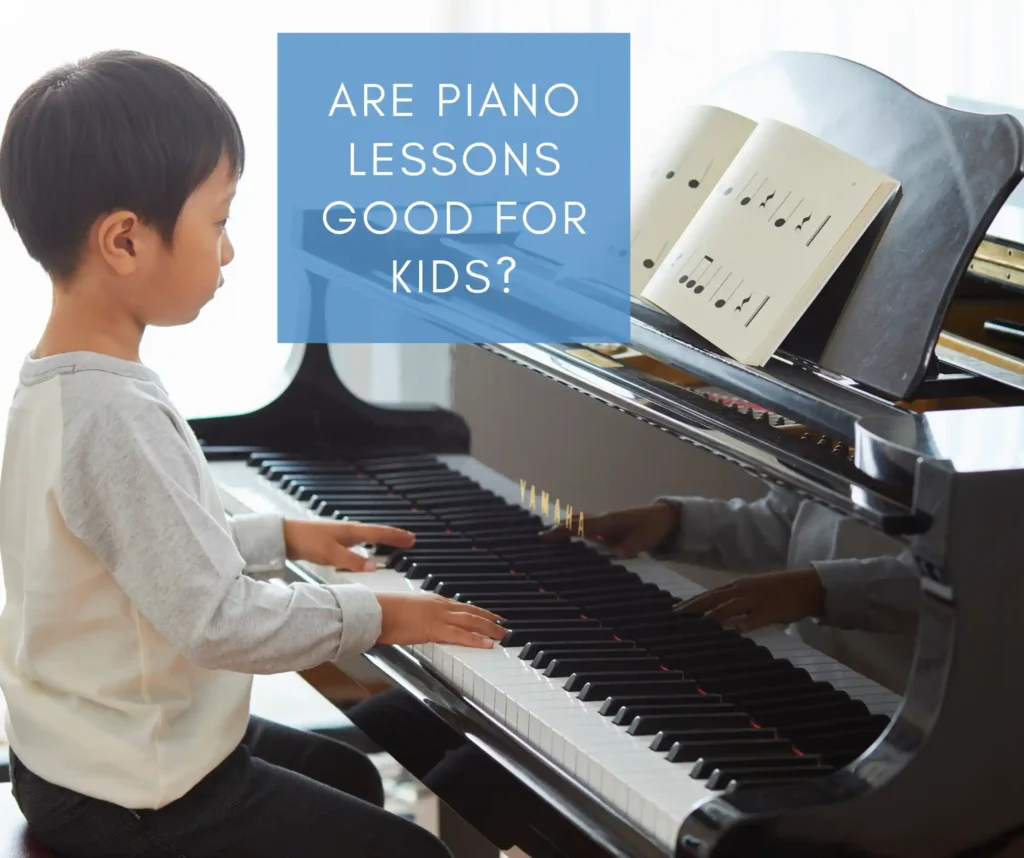
When parents start thinking about music lessons for their children, piano is often the first instrument that comes to mind. It’s classic, versatile, and a great way to introduce kids to the world of music. But beyond its reputation, are piano lessons actually good for kids? The answer is a resounding yes!
Piano lessons can help children grow in so many ways—boosting brain development, sparking creativity, and teaching discipline that lasts a lifetime. But as a parent, you probably also have some practical questions: How much do piano lessons cost? When should kids start? Can a very young child begin?
Let’s dive into the answers while exploring why piano is such a wonderful choice for children.
Why Piano is the Perfect Starter Instrument
Unlike some instruments that take months to produce a pleasant sound, the piano gives kids immediate success. Press a key and a beautiful note rings out! This instant reward motivates children and keeps them excited to learn.
Another reason piano is such a strong starting point is the layout of the instrument. Notes are arranged clearly from low to high, almost like a musical map. Because of this, kids can visually connect what they’re playing to the way music is written. That’s why many educators recommend beginning with piano, even if kids eventually want to try something else like guitar, ukulele, or drums.
Cognitive and Emotional Benefits of Piano Lessons
Learning to play piano engages both the left and right sides of the brain, which helps kids develop in many areas:
- Memory and Recall: Reading music while remembering finger positions strengthens memory.
- Math Skills: Counting beats and recognizing patterns supports math learning.
- Problem-Solving: Tackling tricky passages teaches patience and persistence.
- Focus: Regular practice builds concentration and discipline.
But the benefits aren’t just academic. Piano also gives kids a creative outlet. Sometimes children can’t fully express their feelings with words, but they can pour emotions into the keys. Performing a song they’ve worked hard on also gives them a huge confidence boost, teaching them to take pride in their accomplishments.
What is the Ideal Age to Start Piano?
A common question parents ask is: When should my child start piano lessons? The ideal age to begin structured lessons is usually between 5 and 7 years old. At this stage, most kids have the finger strength, coordination, and attention span to follow along with lessons and practice consistently.
That said, older children—and even teens—can succeed at any age. In fact, many students who start later often progress quickly because they can focus longer and grasp concepts more easily.
What is the Earliest a Child Can Start Piano?
While ages 5–7 are often ideal, younger children can absolutely begin exploring the piano. Some start as early as 3 or 4 years old with playful, creative lessons that focus more on fun than technique. At this age, the goal isn’t to master scales or read sheet music but to get comfortable sitting at the piano, experimenting with sounds, and enjoying the process of making music.
Early exposure can spark a lifelong love for music and make the transition into formal lessons smoother later on.
What is the Cost of Piano Lessons?
One factor families always consider is the cost. Traditional private piano lessons can range widely depending on where you live, the teacher’s experience, and lesson length. On average, you might expect to pay:
- $30–$50 per half-hour lesson
- $50–$100 per hour lesson
That means if your child takes weekly 30-minute lessons, you could be looking at $120–$200 per month, not including books, recital fees, or travel expenses if the teacher isn’t nearby.
For many families, these costs can add up quickly. That’s why online learning has become such a popular alternative.
Affordable Alternatives: Online Piano Lessons
For families who want the benefits of piano lessons without the high price tag, online learning offers a great solution. Programs like My Music Workshop provide engaging, kid-friendly piano lessons at a fraction of the cost of traditional private instruction.
Because lessons are video-based and available anytime, kids can learn at their own pace and revisit lessons as often as they like. This flexibility is especially helpful for busy families who might find it hard to commit to weekly in-person lessons. Parents also appreciate that they don’t need to drive to a studio or worry about scheduling conflicts.
And while online lessons are budget-friendly, they don’t skimp on quality. Lessons are designed by experienced educators who know how to keep kids engaged and motivated—making learning both fun and effective.
Social and Developmental Benefits
Even though piano is often played solo, it opens up plenty of social opportunities. Kids might share songs with family, perform in school talent shows, or eventually play in ensembles. Learning to perform builds confidence and helps kids develop important social skills like listening and collaboration.
On a physical level, piano also supports fine motor skill development. Independent finger movements, hand coordination, and even proper posture contribute to growth that extends beyond music.
Tips for Helping Your Child Succeed
If you’re ready to begin your child’s piano journey, here are a few tips to make the process smooth and enjoyable:
- Keep practice short and consistent – 10 to 15 minutes a day is often enough for beginners.
- Make it positive – Celebrate progress and let your child choose some of the songs they play.
- Provide the right instrument – A keyboard with weighted keys or a piano at home will give them the best experience.
- Encourage performances – Have your child play for grandparents, friends, or siblings.
- Be patient – Progress takes time, and every child learns at their own pace.
The Final Note
So, are piano lessons good for kids? Absolutely! They offer countless benefits—boosting brainpower, sparking creativity, and teaching life lessons like patience and perseverance.
The best age to start is often between 5 and 7, though younger children can enjoy exploring the piano earlier. And while traditional lessons can be costly, affordable options like online piano lessons make it easier than ever for families to give their kids the gift of music.
At the end of the day, piano lessons aren’t just about learning notes on a keyboard. They’re about opening up a world of creativity, confidence, and joy that can stay with children for life.
Ready to start lessons at home?
Step-by-step video lessons for kids 4 to 12 with Mr. Elias, with play-alongs and picture quizzes. Each lesson takes about 10 to 15 minutes. From $10 a month.