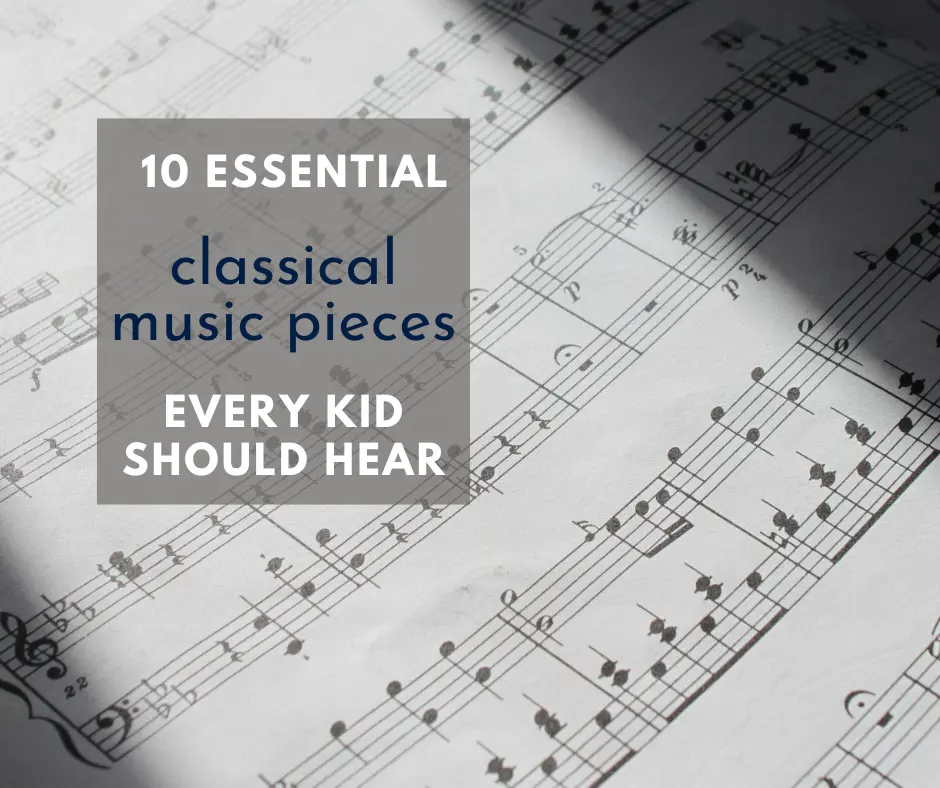
10 Essential Classical Music Pieces Every Child Should Hear
Quick answer
What classical music should children listen to?
Introducing children to classical music doesn’t have to be intimidating. Many classical pieces are playful, exciting, imaginative, and full of memorable melodies. Listening together helps children develop musical awareness, expand their imagination, and build an appreciation for music that can last a lifetime.
Introduction
When many people hear the words classical music, they picture long concerts, serious musicians, and complicated compositions. But kids often hear something completely different. They may hear storms, animals, dances, fairy tales, adventures, and emotions brought to life through music. Classical music has inspired families for hundreds of years because it tells stories without using a single word. The wonderful thing is that children don’t need to understand music theory to enjoy it! They just need some opportunities to listen.
Whether you’re driving to school, making dinner, relaxing before bedtime, or spending a rainy afternoon at home, listening to great music together creates meaningful family moments while introducing your child to some of history’s greatest musical masterpieces. And it doesn’t have to be a complicated endeavor.
Here are ten wonderful pieces that every child should experience.
1. “The Four Seasons: Spring”
Antonio Vivaldi
If you’ve ever watched a thunderstorm roll in or listened to birds singing, you’ve already experienced the kind of storytelling Vivaldi was so great at creating. Written over 300 years ago, The Four Seasons remains one of the most recognizable pieces of classical music because it paints vivid pictures using only instruments. “Spring” is full of happy and broad melodies that sound almost like birds greeting the sunrise and flowers blooming after a long winter.
Even more exciting, the complete Four Seasons isn’t just peaceful and pretty. Some movements feature dramatic storms, crashing notes, and lightning-fast violin passages that can feel surprisingly intense. In fact, parts of Vivaldi’s music almost sound like the “heavy metal” of the 1700s!
Listen for:
- birds singing
- gentle breezes
- sudden storms
- fast violin “lightning”
Fun question:
“If this music were part of a movie, what would be happening?”
2. “Carnival of the Animals”
Camille Saint-Saëns
This piece is chock full of imagination. Each short movement introduces a different animal, and Saint-Saëns uses the instruments to imitate the way those animals move, sound, or behave. You’ll hear lumbering elephants, graceful swans, playful kangaroos, clucking hens, and even fish swimming quietly through an aquarium. Children love guessing which animal is coming next, and they may start noticing how music can tell stories without using any words. This piece feels like a musical guessing game, making it one of the best introductions to classical music for young listeners.
Try this:
Can your family move around the room like each animal while the music plays?
3. “Peter and the Wolf”
Sergei Prokofiev
Imagine watching your favorite animated movie but instead of the characters speaking, each one has its own musical instrument. That’s exactly what Prokofiev created. Each character is represented by a different instrument. The bird is played by the flute. The duck waddles in on the oboe. The grumpy grandfather is portrayed by the bassoon. The wolf enters with the powerful sound of the French horns. Kids have the chance to recognize the sounds of different orchestral instruments. It’s one of the most entertaining music lessons ever written.
4. “Eine Kleine Nachtmusik”
Wolfgang Amadeus Mozart
Some music just feels good to listen to. This masterpiece has been making audiences vibe for more than two centuries. The melody feels light, playful, and almost impossible not to hum along with. Mozart had an incredible gift for writing music that sounds effortless. Underneath the beautiful melodies is an amazing amount of creativity and craftsmanship, but children don’t need to understand any of that to enjoy it. It can simply just be fun to listen to. It’s basically the musical equivalent of sunshine on a beautiful afternoon.
Challenge your child:
Can you clap the steady beat all the way through?
5. “The Nutcracker Suite”
Pyotr Ilyich Tchaikovsky
Even if your family has never seen The Nutcracker ballet, you’ve probably heard some of its famous melodies. This music has become part of the soundtrack of the holiday season, but we can all enjoy it year round if we want to! As you listen, encourage your child to imagine toy soldiers marching, snowflakes, kingdoms made of candy, and ballerinas floating across the stage. One of the most enchanting moments is the “Dance of the Sugar Plum Fairy,” where a shimmering instrument called the celesta creates a sparkling sound that feels almost magical. It’s no wonder that the Nutcracker has stood the test of time.
6. “The Blue Danube”
Johann Strauss II
This famous waltz feels graceful, elegant, and joyful from the very first notes. It’s the kind of music that makes children want to spin around the living room or pretend they’re dancing at a royal ball. Parents may recognize it from movies or television, but children may experience it as music that feels like floating. You don’t need to be a good dancer to enjoy this one. Just clear a little space in the living room and twirl together.
7. “William Tell Overture”
Gioachino Rossini
This piece is full of adventure. The famous finale has been used in countless movies, cartoons, and television shows because it perfectly captures the excitement of a chase. Children can imagine horses racing across open fields, daring rescues, superheroes flying into action, or explorers setting off on an exciting journey. The music builds excitement so naturally that it’s almost impossible not to imagine a story unfolding.
Ask your child:
“What type of adventure do you think this music belongs to?”
8. “Boléro”
Maurice Ravel
At first, Boléro seems a little too simple. One quiet drum keeps repeating the same rhythm while a single instrument plays the melody. Then something incredible happens. Another instrument joins. Then another. And another. Little by little, the music grows larger and more exciting until nearly the entire orchestra is playing together. It’s just like watching a tiny snowball roll down a hill until it becomes enormous. Children can try to notice each new instrument as it enters, making this piece feel almost like a musical scavenger hunt.
9. “Air on the G String”
Johann Sebastian Bach
Not every piece of music needs excitement to capture children’s attention. Sometimes the most beautiful music is quiet and soft. This gentle melody has a calming, peaceful quality that makes it perfect for winding down at the end of a busy day. Many families enjoy listening to it during quiet reading time or before bedtime. As your child listens, you can ask them what colors or pictures come to mind. There are no wrong answers!
10. “The Young Person’s Guide to the Orchestra”
Benjamin Britten
If your child has ever shown curiosity about different instruments, this piece has the answers. Benjamin Britten wrote this masterpiece specifically to introduce young listeners to the orchestra. Each family of instruments gets its own moment to shine before the full orchestra joins together to play the main theme together. It’s a little like taking a backstage tour of an orchestra. This piece has inspired countless young musicians to pick up an instrument of their own.
Make Listening an Adventure
Listening to classical music doesn’t have to mean sitting perfectly still.
Try:
- drawing pictures inspired by the music
- playing with open ended toys like blocks or play-doh while you listen
- pretend to conduct the orchestra
- dancing around the living room
- acting out a story
- guessing which instruments are playing
- talking about how the music makes you feel
- listen while you read together
Children learn best when listening and learning feels fun!
Why Classical Music Still Matters
Classical music has stood the test of time for a reason. These pieces have inspired audiences for generations because they speak to universal human experiences: joy, wonder, excitement, sadness, courage, curiosity, and hope. By introducing children to this music, we’re giving them more than beautiful melodies. We can help them discover another way to experience the world. One day, your child may hear one of these pieces performed live at a local symphony and recognize it right away. Hopefully, they will connect it to fun memories that they made with you listening to it together!
Family Music Challenge
Try to listen to a new piece each week together.
Afterward, ask your kiddo:
- What story did you imagine?
- Which instrument stood out to you?
- How did the music make you feel?
- Which piece was your favorite?
You may be surprised by how perceptive they are and what their answers are!
Frequently Asked Questions
Does my child need music lessons to enjoy classical music?
Not at all! Simply listening together helps children develop musical awareness and appreciation.
What age should children start listening to classical music?
Children can begin enjoying classical music from infancy. As they grow, they’ll understand new details and meanings in the same pieces.
Should children only listen to classical music?
No. Exposing children to a wide variety of musical styles helps them become well-rounded listeners. Classical music is simply one wonderful part of a balanced musical diet.
How often should we listen?
Even just a few minutes a couple of times each week can create meaningful musical experiences and spark really cool conversations.
Conclusion
One of the greatest gifts we can give our children isn’t simply the ability to play music but the ability to love it. The pieces on this list have inspired listeners for generations, and they continue to spark curiosity, imagination, and wonder in children today. By making classical music part of your family’s everyday life, you’re creating opportunities for conversation, creativity, and connection that can last well beyond childhood. You never know which piece will become your child’s favorite or which melody they’ll one day share with their own family.
Ready to Begin Your Child’s Musical Journey?
Listening to great music is a wonderful first step. Learning to make music is an even bigger adventure! At My Music Workshop, children can explore piano, drums, ukulele, and singing through engaging online lessons designed especially for young learners. Start your free 7-day trial today and help your child build a lifelong love of music.
About the Author
Carole Crocco is a music educator with My Music Workshop who has extensive experience teaching young children and helping families introduce music in fun and developmentally appropriate ways. She is also a classically trained soprano and a singer-songwriter.
Ready to start lessons at home?
Step-by-step video lessons for kids 4 to 12 with Mr. Elias, with play-alongs and picture quizzes. Each lesson takes about 10 to 15 minutes. From $10 a month.