How Live Music Helps Children Build a Lifelong Love of Music
Quick answer
Why is it important for children to experience live music?
Seeing live music helps children develop a deeper appreciation for music by engaging their senses in a way recordings cannot. Live performances inspire curiosity, strengthen listening skills, introduce children to new instruments, create lasting family memories, and encourage a lifelong love and appreciation of music.
Introduction
Today, children have more access to music than ever before. With just the tap of a screen, they can listen to their favorite songs, watch music videos, or sing along from the comfort of home. While these are wonderful ways to experience music, there is something truly special about hearing it performed live.
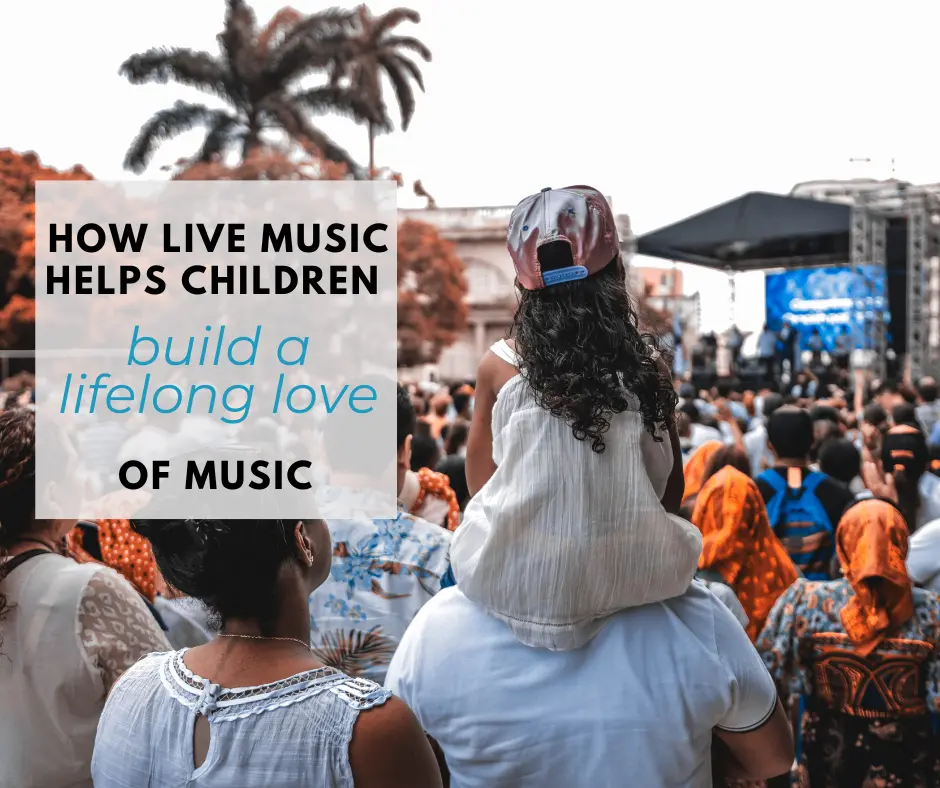
Whether it’s a community band playing in the park, a children’s concert at your local library, a church choir, a musical theater production, a jazz ensemble, or a full symphony orchestra, live music offers an experience that simply can’t be replicated through a speaker or computer screen. Children don’t just hear the music; they see musicians working together as a team. They watch fingers race across piano keys, bows glide across violin strings, and drummers keep the entire ensemble together. They witness the excitement of applause and the emotion that fills a room when music is shared live.
For many children, one concert can spark a lifelong fascination with music!
In this article, we’ll explore why live music is such an important part of a child’s musical journey and how these experiences can inspire curiosity, creativity, and a lifelong appreciation for the performing arts.
Live Music Makes Music Feel Real
For young children, music often feels like something that simply comes out of a phone, television, or speaker. Live performances help children discover that every beautiful piece of music begins with real people who have spent years practicing their craft. They can watch a pianist’s hands move effortlessly across the keys, see a violinist’s bow dance across the strings, or notice how an entire orchestra works together to create one beautiful sound. Suddenly, music becomes tangible and children begin making connections between the sounds they hear and the people creating them.
Many children may leave a concert saying, “I want to learn that instrument!” Sometimes, all it takes is seeing someone else play.
Children Discover Instruments They Never Knew Existed
One of the greatest joys of attending live performances is discovering instruments that children may have never seen before. A young child might be fascinated by the shimmering strings of a harp, the deep rumble of the timpani, the rich sound of a French horn, or the unique voice of a bassoon. They may watch a percussionist move from instrument to instrument or become mesmerized by a marimba solo. These discoveries can open doors that parents never expected. Many musicians can trace their love for their instrument back to the very first time they saw someone perform it live. Exposure creates curiosity and curiosity often leads to learning.
Live Performances Inspire Future Musicians
There is something incredibly motivating about watching another person perform with confidence and joy. A child who watches a drummer keeping a steady beat may rush home tapping rhythms on the kitchen table. A child captivated by a pianist may suddenly become excited about practicing. A beautiful vocal performance may encourage a child who loves to sing to find their own voice. Live performances help children see what is possible. They may realize that every musician they admire was once a beginner learning their very first notes. That realization can make learning an instrument feel exciting and achievable.
Live Music Strengthens Listening Skills
Attending a concert is a different kind of listening experience than simply playing music in the background. Children begin to notice details they may have overlooked before. They hear instruments entering one by one or recognize when the music becomes softer or louder. They begin to notice tempo changes, melodies, harmonies, and rhythms working together.
Live performances encourage focused listening, patience, and attention to detail. These are valuable skills that support learning far beyond music lessons.
Some of Life’s Sweetest Memories Are Made at Concerts
One of the greatest gifts of live music has very little to do with the music itself. It’s the memories families create together. Imagine packing a picnic and spending a summer evening listening to a community band in the park. Picture your child sitting wide-eyed as the conductor raises the baton and the orchestra begins to play. Think about applauding together after a beautiful performance, stopping for ice cream afterward, or talking about everyone’s favorite instrument on the drive home. These moments can become family traditions. Years later, your child may not remember every song they heard. But they’ll remember how they felt and they’ll remember being together. Music has a remarkable way of becoming woven into our memories.
Music Helps Children Build a Lifelong Relationship with the Arts
One of the greatest hopes parents can have is not simply that their child learns an instrument. It is that they grow into an adult who continues to value music throughout their life.
Children who grow up attending concerts often become adults who:
- attend performances at their local symphony
- support community music programs
- enjoy live theater and musical performances
- sing in church choirs or community ensembles
- introduce their own children to live music
Music education is about so much more than creating performers. It also helps cultivate future audience members, arts advocates, and lifelong supporters of music in their communities. Every thriving artistic community depends on people who value and support the arts. That appreciation often begins in childhood.
Live Music Can Become a Source of Comfort Throughout Life
One of the most beautiful things about music is that it grows with us. The songs that bring joy during childhood often become reminders of family traditions years later. As children grow into teenagers and adults, music can become a healthy way to navigate life’s ups and downs. There will be moments of celebration, loss, excitement, uncertainty, and change. Music has a unique ability to meet us in each of those seasons. It can bring comfort after a difficult day, provide encouragement during challenging times, or simply offer a quiet place to reflect. Helping children develop a meaningful relationship with music gives them something they can carry throughout their entire lives.
You Don’t Have to Start with a Symphony Orchestra
Many parents assume that introducing children to live music means purchasing tickets to a large professional concert.
While symphony performances are wonderful experiences, they are only one of many ways children can enjoy live music.
Consider attending:
- free concerts in the park
- community band performances
- church concerts
- school musicals
- university music recitals
- local jazz festivals
- cultural celebrations
- children’s concerts at libraries or community centers
Each experience gives children another opportunity to see music come alive. The goal is not to expose children to the “perfect” concert but to simply let them experience music in person.
How Music Lessons Deepen the Concert Experience
Children who take music lessons often experience concerts in an entirely new way. Instead of simply hearing music, they begin to understand what they’re seeing.They recognize familiar rhythms or notice techniques they’ve been practicing. They may identify instruments they’ve learned about. They appreciate the skill, teamwork, and dedication required to perform. Music lessons help transform children from passive listeners into active, curious audience members. Every concert becomes another opportunity to learn and be inspired.
Family Music Adventure
Looking for a fun family activity this month?
Choose one live musical event to attend together.
Afterward, ask your child:
- Which instrument caught your attention the most?
- How did the music make you feel?
- If you could learn any instrument you saw today, which one would you choose?
- What was your favorite part of the performance?
These simple conversations encourage children to reflect on what they experienced and help strengthen their connection with music.
Frequently Asked Questions
What is a good age to take children to a live concert?
Children of almost any age can enjoy live music when the performance is appropriate for their developmental stage. Outdoor concerts, children’s performances, and shorter programs are often wonderful places to begin.
What if my child can’t sit through an entire concert?
That’s perfectly normal. Start with shorter performances or informal outdoor concerts where children have room to move while still enjoying the music.
Do children need music lessons to enjoy live music?
Not at all. Every child can benefit from experiencing live performances. However, music lessons often help children appreciate concerts on an even deeper level by giving them a better understanding of what they’re hearing and seeing.
How often should families attend live music performances?
There is no perfect number. Even attending a few concerts each year can create meaningful memories and help children develop a lasting appreciation for music.
Are community concerts just as valuable as professional performances?
Absolutely. Community bands, choirs, school ensembles, and local musicians all provide wonderful opportunities for children to experience live music and see the important role music plays within their own communities.
Conclusion
Some of the most meaningful musical experiences don’t happen in a practice room. They happen sitting beside the people we love as music fills the room. The child who attends a concert today may one day become the teenager who joins a choir, the adult who supports their local symphony, or the parent who introduces their own children to the magic of live performance. Music has a remarkable way of connecting generations. By making live music a part of your family’s life, you aren’t simply planning a fun outing. You’re planting seeds that can grow into a lifelong appreciation for creativity, community, and the performing arts. Every lifelong music lover begins somewhere and sometimes it begins with a first concert.
Ready to Get Started?
One of the best ways to help children appreciate live music is by giving them the opportunity to make music themselves.
At My Music Workshop, our beginner-friendly online lessons help young learners build confidence, develop musical skills, and discover the joy of making music through piano, drums, ukulele, singing and really fun interactive activities.
Try the program free for 7 days and help your child begin a musical journey that can last a lifetime.
About the Author
Carole Crocco is a music educator with My Music Workshop who has extensive experience teaching young children and helping families introduce music in fun and developmentally appropriate ways. She is also a classically trained soprano and a singer-songwriter.
Ready to start lessons at home?
Step-by-step video lessons for kids 4 to 12 with Mr. Elias, with play-alongs and picture quizzes. Each lesson takes about 10 to 15 minutes. From $10 a month.