Why Physical Media Can Help Your Child Fall in Love With Music
Quick answer
Can records, CDs, and cassette tapes help children develop a love of music?
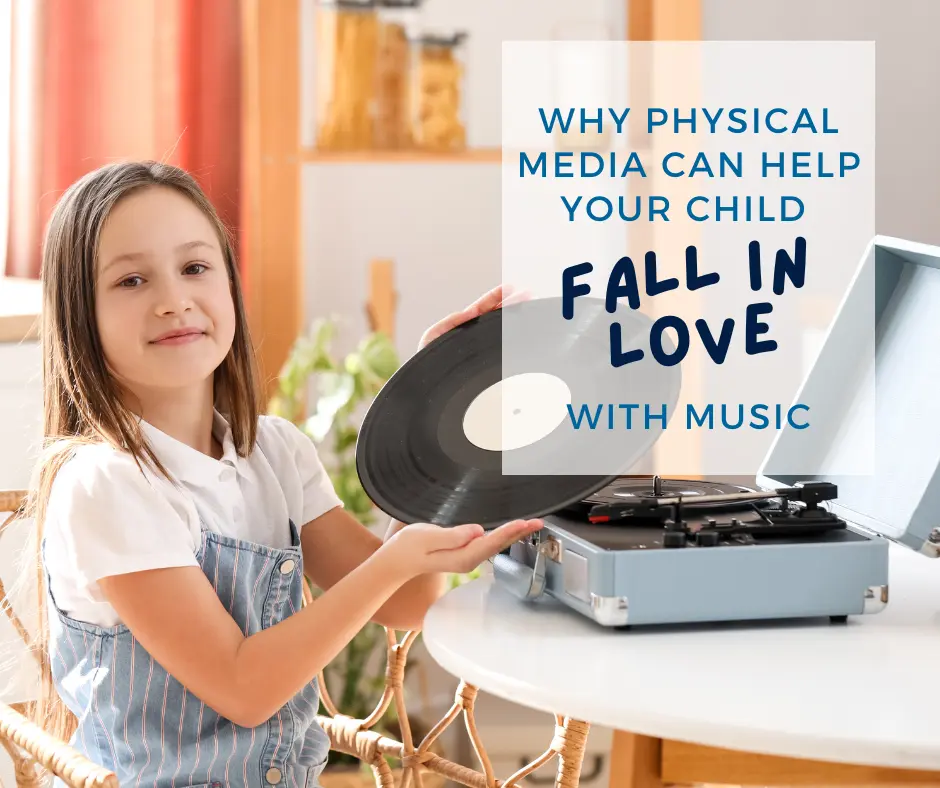
Yes. While streaming services have made music more accessible than ever, physical media offers something that is truly unique; an intentional listening experience. Playing a record, choosing a CD, or pressing play on a cassette encourages children to slow down, listen attentively, and engage with music as a meaningful experience rather than background noise. These simple rituals can help cultivate a lifelong appreciation for music and create treasured family memories along the way.
Introduction
We live in a world where nearly every song ever recorded is available with just a few taps on a screen. This incredible convenience has made music more accessible than any other time in history, but it has also changed the way many of us experience it. Music often plays in the background while we drive, clean the house, answer emails, or scroll through our phones. Songs are skipped after only a few seconds, playlists shuffle endlessly, and listening can easily become passive rather than intentional. Physical media invites us to experience music differently.
Whether it’s placing a record on a turntable, sliding a CD into a player, or hearing the satisfying click of a cassette tape, these simple actions encourage families to slow down and give music their full attention. For children especially, these moments can transform listening into something special. Listening together can become a family ritual, a shared experience, and an opportunity to discover the beauty of music at a slower pace in our very hurried modern world. If your goal is to raise a child who doesn’t simply consume music but genuinely loves it, physical media can be a really helpful tool.
Music Becomes an Experience Instead of Background Noise
Streaming has made it wonderfully easy to access music, but it has also made it easy to treat music as background entertainment. We often press play while doing something else and rarely stop to simply listen. Physical media encourages a different mindset. Choosing an album, placing it in the player, and listening from beginning to end naturally creates an atmosphere that demands more focused attention. Children begin to understand that music is something worth sitting with and enjoying together rather than something that simply fills up the silence in our days. These intentional listening moments teach children that music deserves their attention, and that lesson can shape the way they appreciate music for many more years to come.
Albums Tell Stories
In the age of playlists, it’s easy to forget that many albums are actually carefully crafted artistic experiences. Musicians often spend months or even years deciding not only which songs belong on an album, but also the order in which listeners should hear them. The opening track sets the tone, while quieter moments provide contrast, and the final song often is usually meant to leave listeners with a lasting impression. When children listen to an album from beginning to end, they experience music the way an artist intended. They may begin to recognize how songs relate to one another and how an entire collection of music can tell a larger story than just an individual song could on its own.
Physical Media Creates Family Traditions
Some of childhood’s most meaningful memories are built around the most simple family traditions. Perhaps your family listens to the same Christmas album every December while decorating the tree. Maybe Saturday mornings could begin with jazz playing softly while pancakes cook on the stove. Perhaps every road trip starts with a favorite children’s cassette or CD (if you still have those features in your car!) that everyone knows by heart. These traditions can become part of your family’s story. Music has an extraordinary ability to anchor memories, and physical media often becomes part of those special moments.
Album Artwork Encourages Curiosity
One of the greatest joys of physical media is that music becomes something children can see as well as hear. Record sleeves, CD booklets, and cassette inserts often feature beautiful illustrations, photography, lyrics, historical notes, and creative designs that invite deeper exploration. As children examine the artwork, they may begin asking questions. Who is this composer? What instrument is that? Where was this music written?
Those simple questions can lead to conversations about art, history, geography, literature, and culture. A classical recording might introduce a child to European history. A mariachi album can open the door to learning about Mexican traditions. Gospel music may spark conversations about faith, while Irish folk music might inspire curiosity about immigration and family heritage. Music has always reflected the cultures and communities that created it, making music listening an opportunity to explore the wider world.
Listening Together Builds Conversations
One of the hidden benefits of physical media is that it naturally encourages families to listen together. Instead of everyone choosing separate songs on separate devices, a single album can be a shared experience. Invite your children to talk about what they hear, ask questions, and emphasize that there is no single “right” way to experience music.
After listening, try asking simple questions like:
- Which song was your favorite?
- What instruments did you notice?
- Did the music remind you of anything?
- How did it make you feel?
These conversations help children develop careful listening skills while also reminding them that music is something to be enjoyed together.
Music Helps Children Become Curious Learners
Perhaps the greatest gift music gives children is the realization that there is always something new to discover. The world of music is inexhaustible, filled with countless songs, musical styles, composers, instruments, and traditions waiting to be explored. No matter how much a child learns, there is always another piece to hear, another culture to discover, or another story to uncover.
As children grow, music naturally encourages them to ask questions about the world around them. A single piece of music can lead to conversations about history, geography, language, faith traditions, great works of art, or the customs of cultures far from home. In this way, music becomes much more than entertainment. It nurtures the kind of intellectual curiosity that inspires children to keep learning throughout their lifetime. They can begin to see connections between music and history, art, literature, science, and culture, developing an appreciation for how connected the world truly is.
You Don’t Need an Expensive Collection
One of the best things about introducing physical media is that it truly doesn’t require a significant investment. Many families find wonderful records, CDs, and cassette tapes at thrift stores, library sales, garage sales, and used bookstores. Vintage children’s recordings, classical albums, folk music, jazz, and movie soundtracks are often available for just a few bucks. Starting small is perfectly fine. One thoughtfully chosen album can become a family treasure that you can enjoy together for many years to come.
How to Get Started
If you’re interested in bringing physical media into your home, keep it simple!
- Choose one record, CD, or cassette that your family can enjoy together.
- Set aside one evening each week (or even once a month!) for intentional listening.
- Invite your child to hold the album, study the artwork, and help start the music.
- Listen all the way through before discussing anything.
- Explore different musical styles over time, including classical, jazz, folk, world music, children’s music, and movie soundtracks.
The goal isn’t building an impressive collection. It’s creating meaningful experiences that help your child develop a genuine love of music.
Frequently Asked Questions
Is physical media better than streaming?
Not necessarily. Both have their strengths. Streaming offers incredible convenience and variety, while physical media encourages slower, more intentional listening. Many families should enjoy using both.
What type of physical media is best for children?
There is no single best choice. Records offer a hands-on listening experience with beautiful artwork, CDs are durable and easy to use, and cassette tapes can be especially fun for children because of their tactile nature. The best option is the one your family will enjoy using together.
Do I need expensive equipment?
No. Many excellent record players, CD players, and cassette players can be found secondhand or purchased affordably. The experience of listening together is far more important than owning fancy equipment.
What kinds of albums should we start with?
Begin with music your family enjoys. Maybe a favorite movie soundtrack? Children’s albums, classical favorites, folk music, jazz, and recordings from different cultures all make wonderful additions to a growing collection.
Conclusion
Technology has made music more accessible than ever before, and that is something to celebrate. Yet there is still something special about slowing down to listen to an album from beginning to end. Physical media encourages children to be patient, attentive, and curious. It transforms music into an experience that can be seen, held, discussed, and remembered. Whether you’re spinning a beloved record, dusting off a favorite CD, or introducing your child to a cassette player for the very first time, you’re doing more than simply playing music. You’re teaching your child that music is worth listening to carefully, sharing generously, and carrying with them throughout their life.
Ready to Help Your Child Build a Lifelong Love of Music?
Listening to music is a wonderful beginning, and learning to make music can deepen that appreciation even further. At My Music Workshop, our engaging online lessons help children explore piano, drums, ukulele, and singing while building confidence, creativity, and a lifelong love of music.
Start your free 7-day trial and discover how music can become a meaningful part of your family’s life.
About the Author
Carole Crocco is a music educator with My Music Workshop who has extensive experience teaching young children and helping families introduce music in fun and developmentally appropriate ways. She is also a classically trained soprano and singer-songwriter.
Ready to start lessons at home?
Step-by-step video lessons for kids 4 to 12 with Mr. Elias, with play-alongs and picture quizzes. Each lesson takes about 10 to 15 minutes. From $10 a month.