Best Age to Start Piano Lessons for Kids (An expert guide)
Quick answer
What is the best age for kids to start piano lessons?
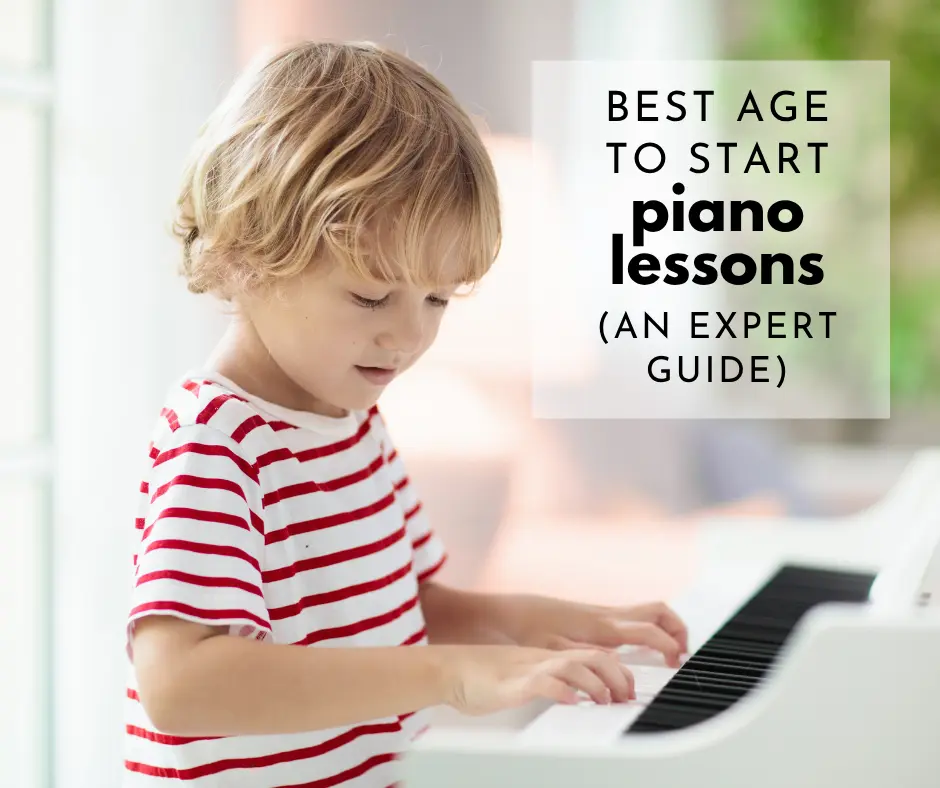
Most children are ready to start piano lessons between ages 5 and 7. At this age, kids typically have the attention span, listening skills, and finger coordination needed to begin learning simple songs and musical patterns. However, younger children can start developing musical skills earlier through singing, rhythm games, and listening activities.
Introduction
Many parents wonder when the right time is to start piano lessons. Start too early, and a child might feel frustrated. Wait too long, and parents sometimes worry they missed an important window for learning.
The truth is that children develop musical skills at different speeds, and readiness often matters more than a specific age. Piano is one of the most popular first instruments for children because it helps them build a strong foundation in rhythm, melody, and coordination. It also introduces important musical concepts that can make learning other instruments easier later.
For families exploring music education, the goal isn’t simply to start lessons as early as possible. Instead, it’s to begin when a child is ready to enjoy the learning process and build confidence with music.
In this article, we’ll explore the best age for children to start piano lessons, signs your child might be ready, and how kids typically progress when learning piano.
What Is the Best Age to Start Piano Lessons?
Most children are ready to begin piano lessons between ages 5 and 7.
At this stage, kids typically have the attention span, listening skills, and finger coordination needed to begin learning simple songs and musical patterns. They can follow instructions, recognize repetition, and start developing the fine motor skills required to play the piano.
That said, younger children can absolutely begin exploring music earlier through singing, rhythm games, and musical listening activities. These early experiences help build the foundation that makes formal piano lessons easier later on.
The key factor isn’t age alone it’s; readiness and interest.
Why Piano Is a Great First Instrument for Kids
Piano is often recommended as a first instrument because it introduces many core musical skills in a clear and visual way.
When children play the piano, they can see exactly how notes move higher and lower across the keyboard. This makes it easier to understand musical patterns and relationships between notes.
Learning piano also helps children develop several important skills:
• Hand coordination – playing with both hands strengthens motor skills
• Pattern recognition – children learn how musical patterns repeat
• Listening skills – kids learn to hear differences in pitch and rhythm
• Memory – practicing songs builds recall and concentration
• Confidence – mastering a new piece creates a sense of accomplishment
Because piano lays such a strong foundation, many music educators consider it an ideal starting point for beginners.
Even children who later move on to instruments like drums, guitar, or singing often benefit from having learned basic piano concepts first.
Signs Your Child Is Ready for Piano Lessons
Rather than focusing only on age, it’s helpful to look for signs that your child is developmentally ready to begin lessons. Many children show readiness through curiosity about music, growing coordination, and the ability to follow simple instructions.
Here are a few signs your child may be ready to start piano lessons:
1. They can follow simple instructions
Piano lessons involve listening and repeating patterns. If your child can follow two- or three-step directions like “sit down, find the keys, and play this note,” they’re likely developing the attention skills needed for lessons.
2. They show interest in music
Children who enjoy singing along to songs, tapping rhythms, or dancing to music often have a natural curiosity about how music works. Some kids even start asking questions like, “Can I try playing that?”
3. They have basic finger coordination
Beginning piano doesn’t require perfect motor skills, but children should be able to press individual keys and move their fingers independently. Activities like drawing, building with blocks, or using scissors often help develop these skills.
4. They can focus for short periods of time
Most beginner piano lessons involve about 10–15 minutes of focused attention. If your child can sit and work on a short activity like a puzzle, coloring page, or simple game, they may be ready for short musical lessons as well.
5. They enjoy learning new skills
Children who feel proud when they learn something new often respond well to music lessons. Playing even a short song on the piano can give kids a sense of accomplishment that motivates them to keep learning.
If you notice several of these signs, your child may be ready to begin exploring piano lessons in a fun and supportive way.
How Kids Progress When Learning Piano
One reason parents hesitate to start lessons is uncertainty about what the learning process looks like.
Fortunately, beginner piano lessons usually follow a gradual and encouraging progression.
Exploring the Keyboard
At first, children learn basic musical ideas like:
• high and low sounds
• loud and soft dynamics
• simple rhythms
• how to find groups of black and white keys
Early lessons often feel like musical games that help kids become comfortable at the keyboard.
Learning Simple Songs
Once children understand the layout of the keyboard, they begin playing simple songs using a few notes.
These songs often include:
• repeating patterns
• easy rhythms
• familiar melodies
Playing recognizable songs helps children stay motivated and excited about practicing.
Building Coordination and Reading Skills
As kids continue learning, they begin to:
• play with both hands
• recognize musical notes
• follow simple sheet music
• maintain a steady rhythm
Over time, these skills combine to form a strong musical foundation.
The important thing to remember is that progress happens gradually. Small steps and consistent encouragement make a big difference.
Can Kids Learn Piano Through Online Lessons?
Many families today are exploring online piano lessons as an alternative to traditional in-person instruction.
Online lessons can be a great option for beginners because they offer:
• flexible schedules
• the ability to learn at home
• engaging video lessons designed for kids
• opportunities to repeat lessons as needed
For younger learners especially, short and interactive lessons can help keep the experience fun and accessible.
My Music Workshop is designed specifically for children who are just starting their musical journey. The lessons focus on simple steps, clear demonstrations, and engaging activities that help beginners feel comfortable learning at their own pace.
For many families, online lessons provide a convenient way to introduce music education without the pressure of a formal studio schedule.
Frequently Asked Questions
How long should kids practice piano each day?
For beginners, even 5-10 minutes per day can be enough. Short, consistent practice sessions are usually more effective than long, occasional ones.
What if my child loses interest in piano?
It’s normal for children’s interests to fluctuate. Keeping lessons playful, celebrating small successes, and allowing flexibility can help maintain motivation. Trying new songs or musical games can also reignite excitement.
Do kids need their own piano to start?
A full acoustic piano is not required. Many beginners start successfully with a basic keyboard that has full-sized keys. Having an instrument at home simply allows children to practice and explore music regularly.
Are online piano lessons effective for beginners?
Yes. Many children learn successfully through online programs designed specifically for young beginners. The key is choosing lessons that are engaging, structured, and age-appropriate.
Conclusion
Most children are ready to start piano lessons between ages 5 and 7, but readiness ultimately depends on a child’s interest, coordination, and ability to follow simple instructions.
Before formal lessons begin, younger children can still develop important musical skills through singing, rhythm games, and listening to music. These early experiences often make learning piano easier and more enjoyable later.
Piano remains one of the best first instruments for children because it builds foundational musical skills that support future learning.
If your child shows curiosity about music and enjoys exploring sounds, it may be the perfect time to introduce them to the piano.
Ready to Get Started?
If your child is interested in learning music, My Music Workshop offers beginner-friendly lessons designed specifically for young learners.
Families can also explore engaging lessons in:
• piano
• drums
• ukulele
• singing
You can try the program free for 7 days and see how your child responds to learning music in a fun and encouraging environment.
Carole Crocco is a music educator, early childhood music specialist, and My Music Workshop instructor. She has spent years teaching music fundamentals to young children and helping parents nurture a love of music at home. Her approach focuses on making music education simple, joyful, and accessible for families.
Have more questions? Read our answers to 23 questions parents ask about music lessons, from the best age to start to how long kids should practice.
Ready to start lessons at home?
Step-by-step video lessons for kids 4 to 12 with Mr. Elias, with play-alongs and picture quizzes. Each lesson takes about 10 to 15 minutes. From $10 a month.