Why Listening to Mozart Is One of the Best Things You Can Do with Your Kids
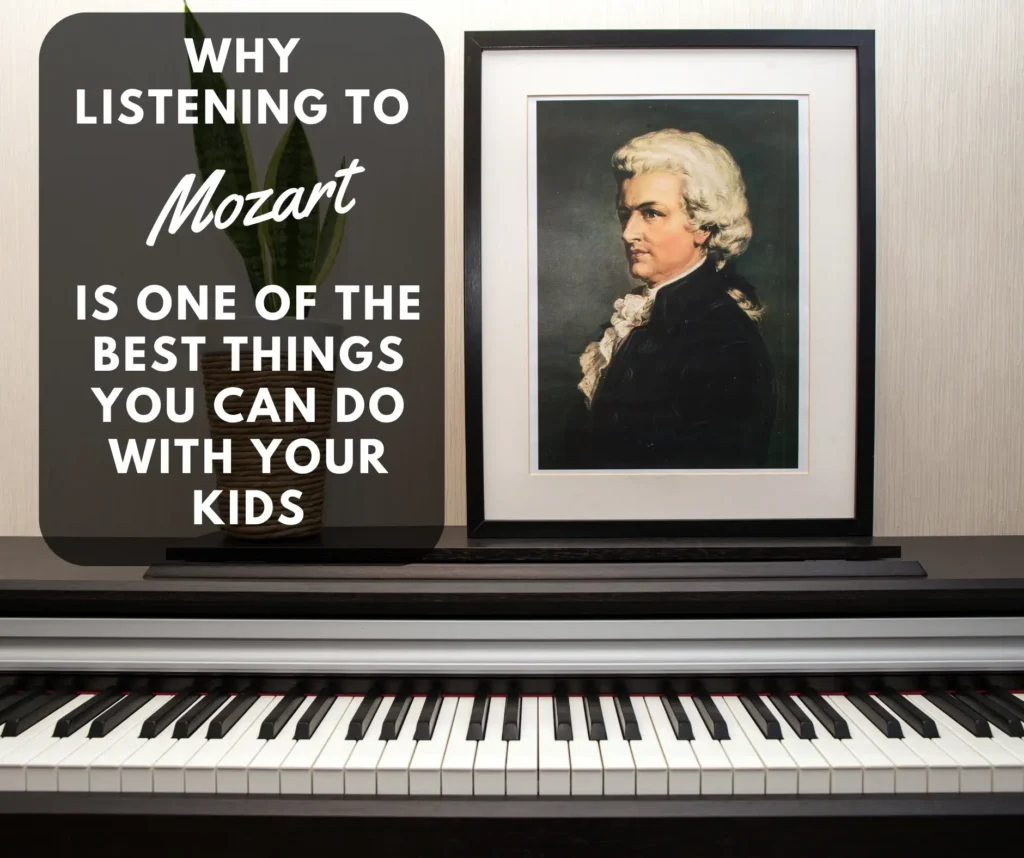
When it comes to classical music, few names shine as brightly as Wolfgang Amadeus Mozart. His music has inspired generations—and it turns out, it might just be one of the best things you can share with your kids. Whether you’re a parent at home or an educator in the classroom, listening to Mozart together isn’t just enjoyable—it’s a smart and meaningful way to connect, learn, and grow.
Here’s why Mozart should be part of every child’s day.
1. Mozart’s Music Sparks Learning and Focus
You may have heard of the “Mozart Effect”—the idea that listening to Mozart’s music can boost brainpower. While the science has evolved over time, studies have consistently shown that classical music can support concentration, memory, and cognitive development in kids.
When children listen to Mozart, they’re exposed to rich melodies, harmonies, and rhythms. Their brains engage with the patterns in the music, which can enhance attention span and encourage deeper thinking.
Try this: Play Mozart softly in the background during reading time, homework, or creative play. Notice how the calm, structured sound supports focus without distraction.
2. It’s a Bonding Experience That Builds Connection
In today’s busy world, shared quiet moments are golden. Listening to music together can be a peaceful, screen-free way for families and classrooms to connect.
Mozart’s music, in particular, has a universal quality that both kids and adults can enjoy. Whether it’s the cheerful notes of Eine kleine Nachtmusik or the gentle beauty of his piano sonatas, there’s something magical about sitting together and just… listening.
Tip for parents: Make a “Mozart moment” part of your daily routine. It could be morning wake-up music, part of a calming bedtime routine, or a soundtrack for afternoon snacks.
Tip for educators: Start your day with a few minutes of Mozart as students arrive or during transitions. It helps set a peaceful tone and signals that it’s time to learn.
3. Mozart Can Help Kids Wind Down and Relax
Mozart’s slower compositions are incredibly calming, making them a great tool for helping kids (and grown-ups) decompress. Music with a steady, moderate tempo and soothing tones can lower stress and help regulate emotions—something especially important for young children who are still learning to manage big feelings.
If your child has trouble settling down at night or feels anxious after a busy day, try playing Mozart as part of your wind-down routine. Think of it as a musical exhale.
Try this: Create a bedtime playlist that includes Mozart’s Lullaby, Piano Concerto No. 21, or Clarinet Concerto in A Major. Dim the lights and enjoy a few peaceful minutes of music before story time.
4. It Inspires Imagination and Creativity
Kids are naturally imaginative, and Mozart’s music is full of playful twists, unexpected turns, and expressive emotion. Listening to his music invites children to imagine stories, characters, or even their own musical ideas.
You don’t need a lesson plan to make this work. Just ask your child what they see or feel when they listen. Encourage drawing, dancing, or pretending along with the music. It’s creative play with a classical twist.
Fun activity: Play a short Mozart piece and ask, “What kind of story do you think this music is telling?” Let your child draw or act out their answer. You’ll be amazed at what they come up with!
5. It Teaches Listening and Appreciation
In a world of constant noise, teaching children to really listen is more important than ever. Mozart’s music encourages intentional listening—hearing how the instruments talk to each other, noticing changes in dynamics and tempo, and experiencing the emotion in every note.
This kind of listening builds patience, attention to detail, and a deeper appreciation for music and the arts.
In the classroom: Use Mozart to introduce listening activities. Ask questions like “What instruments do you hear?” or “Is the music fast or slow?” Kids don’t need a background in music to engage—they just need a little curiosity.
6. It’s a Screen-Free Win
Let’s face it: we’re all looking for meaningful activities that don’t involve screens. Listening to Mozart is one of those rare things that’s educational, entertaining, and calming—all without a device.
Best of all, it’s something the whole family or classroom can do together. No special skills required—just press play and enjoy.
Where to Begin: Kid-Friendly Mozart Picks
Not sure where to start? Here are a few Mozart pieces that are fun, accessible, and perfect for kids:
- “Eine kleine Nachtmusik” – Bright and joyful, great for mornings or playtime
- “Piano Sonata No. 16” (K. 545) – Light and upbeat, perfect for listening games
- “The Magic Flute” (Overture) – Playful and dramatic, ideal for imagination
- “Lullaby” (Wiegenlied) – Soft and gentle, a perfect bedtime song
You can find kid-friendly playlists on streaming platforms like Spotify, YouTube, or Apple Music. Just search “Mozart for kids” or check out classical music playlists for families.
Final Thoughts
Mozart’s music is more than beautiful—it’s an incredible tool for connection, creativity, and calm. By sharing his timeless melodies with your kids, you’re not just exposing them to great art—you’re building habits that support their growth in ways big and small.
Whether you’re a parent at home or a teacher in the classroom, take a few minutes each day to listen, breathe, and enjoy the magic of Mozart together. You might be surprised how much joy and peace it brings to your shared space.
Happy listening!
Want to Keep the Music Going?
If you and your kids enjoy listening to Mozart, why not take the next step and learn how to make music yourselves? At My Music Workshop, we offer fun, engaging online music lessons designed especially for kids. Whether your child is brand new to music or ready to build on what they’ve already learned, our step-by-step video lessons make it easy to get started. From rhythm and melody to playing real songs, our program helps kids build confidence and creativity—right from home or the classroom.
Click here to start your free trial and join our growing community of young musicians and music-loving families!
Ready to start lessons at home?
Step-by-step video lessons for kids 4 to 12 with Mr. Elias, with play-alongs and picture quizzes. Each lesson takes about 10 to 15 minutes. From $10 a month.