What to Do If Your Child Wants to Quit Music Lessons
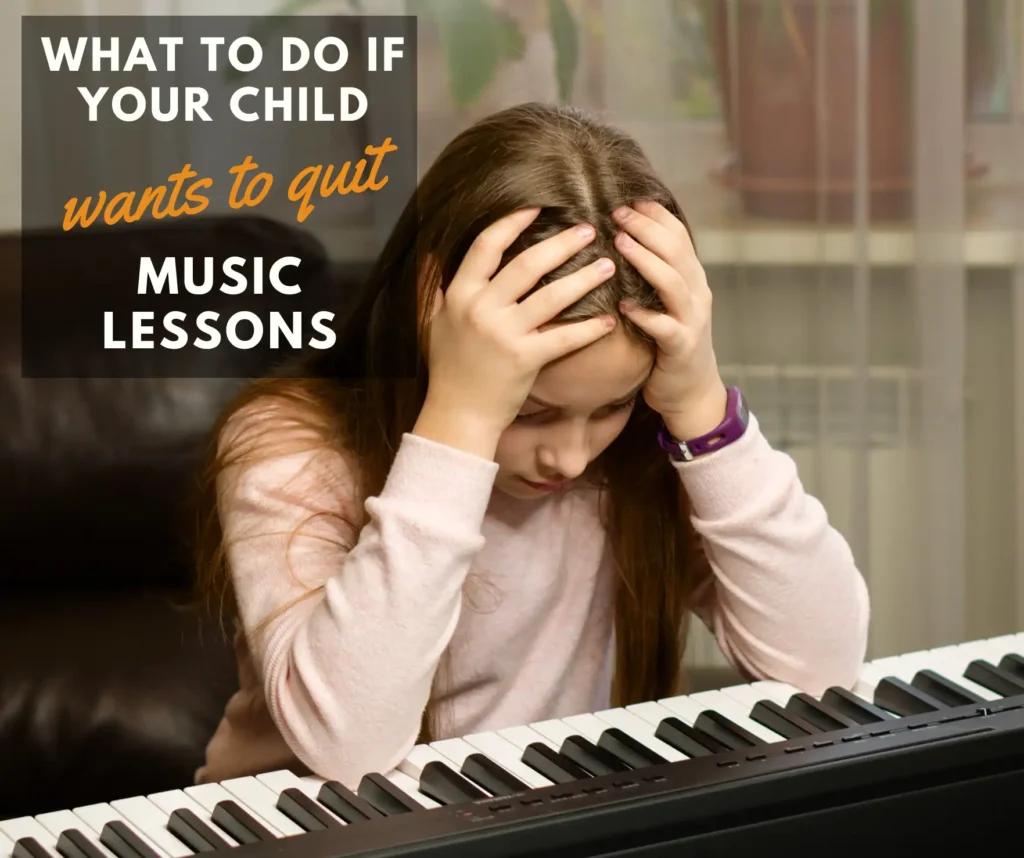
It’s a moment many parents eventually face: your child says, “I don’t want to do music lessons anymore.”
Maybe they’re frustrated, bored, or just not practicing. You’ve invested time, money, and hope into giving them this beautiful gift of music — and now you’re wondering what to do. Should you push them to keep going? Let them take a break? Or find another way to keep music in their life?
The good news is, this situation is very common — and it doesn’t mean your child isn’t musical or that lessons have failed. It just means something in the process needs to shift.
At My Music Workshop, we’ve worked with thousands of young learners and families, and we’ve seen it all — from early enthusiasm to temporary burnout and back again. Here’s how to handle this moment with understanding, encouragement, and creativity so your child’s musical spark can keep shining.
Step 1: Find Out What’s Really Going On
Before deciding what to do, it’s important to understand why your child wants to quit. Kids often can’t fully explain it, but if you listen closely, you’ll start to notice patterns.
Here are a few common reasons:
- It’s too hard right now.
Music requires patience, coordination, and repetition. When kids hit a tough spot — like learning to read notes or practicing tricky rhythms — they can feel frustrated or defeated. - The lessons feel too serious or stressful.
If lessons have become pressure-filled or overly technical, kids may lose the joy they once had. - They’re not connecting with the teacher or style.
A great teacher for one child isn’t always the right fit for another. Personality, pace, and teaching style matter a lot. - They’re simply bored.
Sometimes kids don’t feel engaged because the songs or activities don’t match their interests or energy level. - They need more freedom.
Kids love to explore. If music lessons feel rigid, they might crave a more playful, self-directed experience.
Understanding the “why” helps you find a solution that actually works — instead of just stopping the lessons altogether.
Step 2: Talk About It — Without Pressure
Once you’ve identified the possible reasons, talk to your child calmly and with empathy. Let them know you hear them.
You might say something like:
“I understand that lessons feel frustrating right now. Can you tell me what part you don’t like?”
or
“You’re doing such a great job trying something new. Let’s figure out how to make it more fun again.”
This conversation should feel supportive, not like a negotiation or guilt trip. Kids need to know that their feelings are valid — and that quitting doesn’t make them a failure.
At the same time, you can gently remind them that learning anything worthwhile takes time, and that it’s okay to go through ups and downs.
Step 3: Look for Small Wins and Joyful Moments
One of the biggest reasons kids give up on music is because they stop feeling successful.
You can help change that by pointing out progress in small but meaningful ways:
- “You kept a steady beat all the way through!”
- “That rhythm sounded awesome!”
- “Remember when this was hard? Look how easily you do it now.”
Progress in music isn’t always about learning harder songs. It’s about growing confidence, coordination, focus, and creativity. When kids see that, they start to feel proud again.
Step 4: Rethink the Format
If traditional private lessons aren’t working, it doesn’t mean music isn’t right for your child — it just means you might need a different approach.
Some kids thrive with one-on-one instruction. Others learn better when they can explore, move, and learn at their own pace.
That’s exactly why My Music Workshop exists. Our music education videos for kids are designed to make learning exciting, flexible, and fun — so children stay motivated, even when challenges come up.
With My Music Workshop, kids can:
- Learn on their own schedule — no pressure or fixed lesson times.
- Explore different instruments like drums, piano, and ukulele to find what truly inspires them.
- Play along with videos that combine teaching and performance in a way that feels like fun, not work.
- Experience success early, with lessons built for real children’s attention spans and skill levels.
Sometimes, switching from formal lessons to an online, play-based approach rekindles that love of music. Kids remember that music is supposed to feel good.
Step 5: Adjust Expectations — and Focus on the Long Game
It’s easy to feel disappointed when your child loses interest, but remember: musical growth isn’t linear. Most kids go through phases of enthusiasm, frustration, and rediscovery.
What matters most is that music stays a positive part of their life. Even if they take a break or switch learning formats, they’re still developing:
- Listening skills
- Coordination and focus
- An appreciation for rhythm, melody, and creativity
These are lifelong benefits — and many kids who pause lessons eventually return to music on their own terms.
Tip: If your child does take a break, keep music around in small ways. Play songs at home, sing together, or use a short My Music Workshop video for fun once in a while. Keeping music present — even casually — can help the spark stay alive.
Step 6: Remember Why Music Matters
It’s tempting to think of music lessons as something that should lead to a skill or performance. But music is so much more than that. It’s emotional, expressive, and deeply human.
When your child learns music — even just the basics — they’re gaining:
- Confidence from creating something themselves
- Emotional awareness through rhythm and melody
- Resilience by learning to keep trying after mistakes
- Joy from connecting with sound and movement
So even if they step away from formal lessons, the benefits remain.
Step 7: Offer a Fresh Start
If your child has said “I want to quit,” it might not be a goodbye — it might just mean they need a reset.
Here are a few ideas to reignite interest:
- Let them try a new instrument for fun.
- Watch a My Music Workshop lesson together and jam along.
- Choose songs they love — even pop or movie themes — to make practice feel personal.
- Encourage creative play like making rhythms with household items or clapping games.
Sometimes, a little change in scenery or style is all it takes to remind them why music is special.
How My Music Workshop Can Help
My Music Workshop was created with kids like yours in mind — kids who love music but need it to be fun, engaging, and flexible.
Our program makes it easy for children to:
- Stay curious about music without pressure
- Learn foundational skills through play
- Explore rhythm, melody, and movement in exciting ways
- Build confidence at their own pace
And for parents, it takes away the stress of forcing practice or scheduling weekly lessons. You can simply turn on a video and make music together — anytime, anywhere.
We believe music should be a lifelong joy, not a short-lived activity. Whether your child takes a break, switches formats, or starts fresh, My Music Workshop is here to keep that joy alive.
Final Thoughts
If your child wants to quit music lessons, don’t panic — and don’t see it as the end of their musical journey. See it as a chance to rethink, reimagine, and rediscover what makes music fun for them.
With empathy, encouragement, and the right resources, that spark can come back stronger than ever.
Remember: every child’s path in music is unique. What matters most isn’t how long they take lessons — it’s that music remains a part of their life in a way that brings them happiness and confidence.
At My Music Workshop, we’re here to make sure of exactly that.
Ready to start lessons at home?
Step-by-step video lessons for kids 4 to 12 with Mr. Elias, with play-alongs and picture quizzes. Each lesson takes about 10 to 15 minutes. From $10 a month.