What Are Some Fun Halloween Songs and Activities for Young Kids?
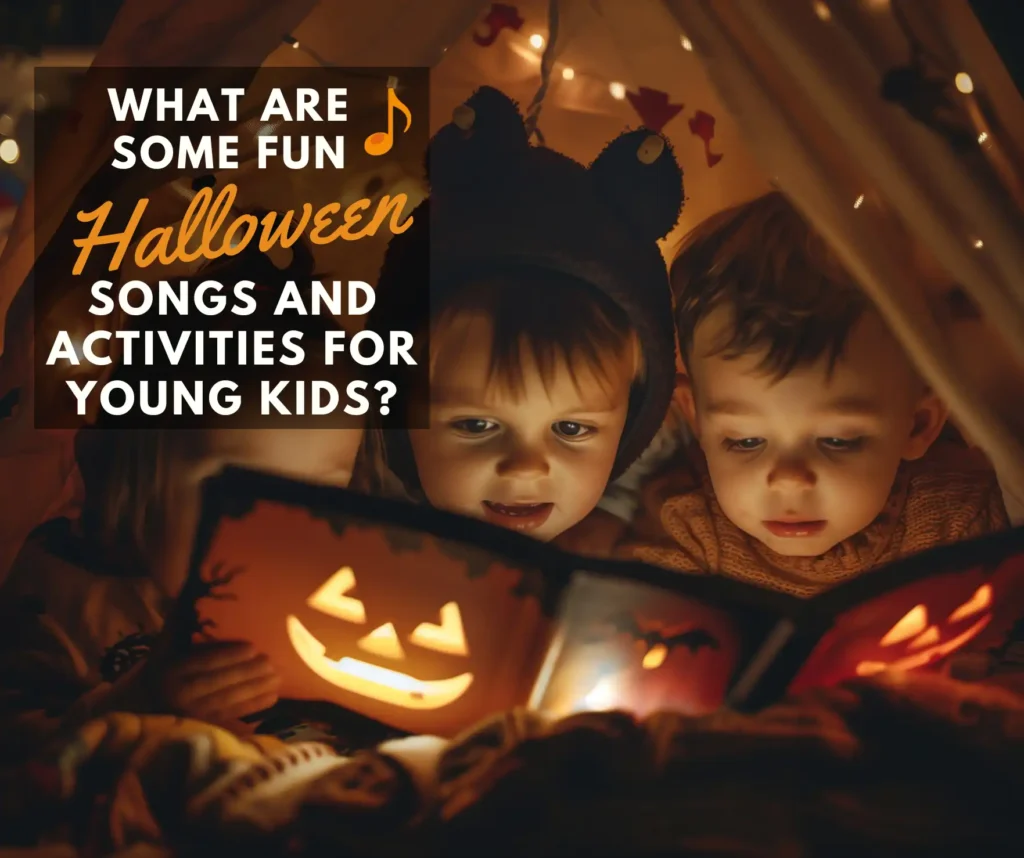
Halloween is one of the most exciting times of the year for young children. Between costumes, decorations, and treats, there’s plenty of fun to go around. But did you know Halloween can also be a great opportunity to make music? Seasonal activities are a wonderful way to engage kids in learning while keeping the excitement alive—and music is the perfect tool to tie it all together.
Whether you’re a parent, teacher, or caregiver, you can bring the magic of Halloween to life through sound, rhythm, and movement. Below are some fun, age-appropriate ideas to make your October a little more musical.
Why Music Makes Halloween Even More Fun
Music naturally amplifies joy and creativity. For young children, it also builds important developmental skills—like listening, coordination, and self-expression. When music is paired with a familiar and festive theme like Halloween, it helps children connect learning with play.
Even simple activities like clapping rhythms to a spooky song or making “monster” sounds on beat teach rhythm awareness and timing. Plus, musical Halloween fun can be done with minimal supplies—no need for fancy instruments or extensive planning.
1. Sing Classic Halloween Songs (and Add Your Own Twist)
Familiar songs are always a hit with preschoolers. You can make them even more engaging by adding actions, rhythm, or new verses. Here are a few to try:
- “Five Little Pumpkins” – This rhyme teaches counting, rhythm, and sequencing. You can have your child act out each pumpkin or keep a steady beat by clapping.
- “The Skeleton Dance” (Dem Bones) – Perfect for getting the wiggles out. Encourage your child to move different body parts as you sing along.
- “If You’re a Monster and You Know It” – A Halloween version of “If You’re Happy and You Know It.” Try lyrics like “If you’re a monster and you know it, stomp your feet!”
Encourage your child to invent their own verses—this builds creativity and confidence while reinforcing musical rhythm and language.
2. Create Spooky Sounds at Home
Kids love experimenting with sound, and Halloween is the perfect time to explore how different noises create a “spooky” atmosphere.
You can do this with simple household items:
- Rustling paper for ghostly wind
- Tapping wooden spoons for skeleton bones
- Shaking dried pasta in a jar for rattling sounds
- Rubbing balloons for creaky door effects
Ask your child questions like, “What sound do you think a witch’s cat makes?” or “Can you make a sound like a bubbling potion?” You’re helping them develop listening skills, sound awareness, and imagination—all essential parts of music education.
3. Make Your Own Halloween Instruments
Homemade instruments are a wonderful way to connect art and music. They also teach children that music can come from anything.
Here are a few easy projects:
- Pumpkin Shakers: Fill small plastic containers or empty bottles with rice, beans, or beads. Decorate them with orange paper and draw pumpkin faces.
- Ghost Drums: Stretch tissue paper or plastic wrap over a container and secure it with a rubber band. Use fingers or small sticks to tap out rhythms.
- Monster Maracas: Use two plastic spoons, a small paper cup, and some dry beans. Tape them together and decorate as a silly monster.
Once your child has their instruments, play along to a favorite Halloween song. You can take turns leading the “band” to practice listening and rhythm.
4. Try a Halloween Freeze Dance
Freeze dance is a favorite in early childhood classrooms—and it’s just as fun at home. It combines movement, rhythm, and self-control, all wrapped in laughter.
How to play:
- Play some upbeat, not-too-scary Halloween music.
- When the music stops, everyone “freezes” in a silly pose.
- Add variations: freeze like a witch, a bat, a mummy, or a zombie.
This game helps kids feel rhythm in their bodies and encourages imagination. If you have multiple children, let each take turns being the “music master” who controls when the music starts and stops.
5. Tell a Musical Halloween Story
Storytelling through music helps children connect emotion and sound. You can create a short “spooky-but-silly” story and add sound effects together.
Example:
“Once upon a time, a friendly ghost floated through the forest (soft, airy sounds). He met a skeleton who loved to dance (tap your knees to the beat). Together they found a bubbling potion (shake a container to make fizzing sounds) and decided to throw a big Halloween party!”
Encourage your child to choose sounds or rhythms for different parts of the story. You can record it on your phone and play it back for them—it’s a great way to celebrate their creativity.
6. Explore Rhythm with “Spooky Beats”
Rhythm is one of the core building blocks of music, and Halloween provides endless inspiration. Try creating short rhythmic patterns using Halloween-themed words.
For example:
- “Pump-kin, pump-kin, witch’s brew”
- “Mon-ster, mon-ster, boo boo boo!”
- “Spi-der web, black cat too”
Clap, tap, or play your homemade instruments to match the rhythm of each phrase. You can even turn it into a call-and-response game where you play a pattern and your child repeats it.
7. End with a Halloween Music Parade
Wrap up your Halloween fun with a mini music parade. March around the house or yard playing your homemade instruments and singing your favorite Halloween song. Marching helps children learn steady beat and coordination while making them feel part of something special.
You can even invite siblings, friends, or neighbors to join in. A short “Halloween March” is a memorable way to blend community, creativity, and music.
Bringing It All Together
These Halloween songs and activities aren’t just for fun—they build real musical skills. Through rhythm, movement, and creative play, kids develop coordination, listening, and a love of music that lasts well beyond the holiday.
At My Music Workshop, we believe every moment can be a learning opportunity. Seasonal activities like these bring joy and discovery together, helping kids connect with music in a way that feels exciting and natural.
If your child loves exploring music at home, check out My Music Workshop’s online lessons. Our engaging videos and activities teach music fundamentals through fun, kid-friendly themes that inspire creativity year-round.
Ready to start lessons at home?
Step-by-step video lessons for kids 4 to 12 with Mr. Elias, with play-alongs and picture quizzes. Each lesson takes about 10 to 15 minutes. From $10 a month.