How to Create a Music Practice Corner That Kids Actually Want to Use
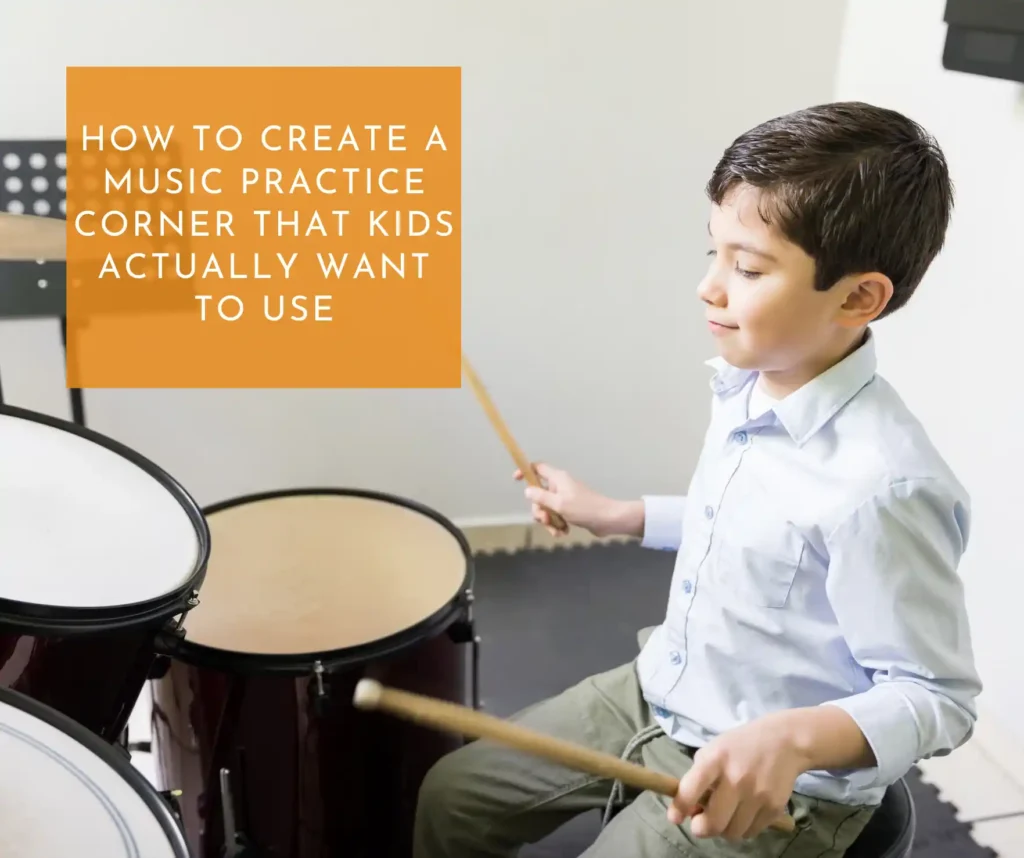
Learning music at home is an exciting journey for kids—but let’s face it, getting them to actually practice can be a challenge. As a parent or music teacher, you may have tried everything from rewards to routines. But what if one of the most powerful motivators is simpler than you think?
Creating a fun, inviting, and organized music practice corner can be the game-changer your child needs. When kids have a space that feels like their own, where music is the focus and distractions are minimized, practice time becomes more enjoyable—and more consistent.
In this blog, we’ll walk you through how to set up a practice corner your child will love using. Whether you live in a house with lots of space or a small apartment, these ideas are flexible and fun.
Why a Practice Corner Matters
Think of your child’s practice space like their “music home base.” Just as kids focus better at a tidy desk when doing schoolwork, they’ll feel more excited and focused when their musical environment is:
- Comfortable
- Personalized
- Purpose-driven
A practice corner helps:
- Reduce daily setup time
- Eliminate distractions
- Make music feel like a special, regular part of home life
- Encourage independence and ownership of learning
It’s a small change with a big impact.
Step 1: Choose the Right Spot
You don’t need a full music room (although that’s great if you have it!). The best spot for your child’s music corner is:
- Quiet – away from noisy distractions
- Well-lit – natural light is ideal, but a good lamp works too
- Consistent – somewhere they can return to every day
This could be a corner of the living room, a hallway nook, or part of their bedroom. If your child plays piano or keyboard, make sure it’s in a space where they can sit comfortably and focus. If they play ukulele, drums, or another portable instrument, consider placing a small rug or mat where they can sit or stand safely while practicing.
Step 2: Set Up the Essentials
Every practice corner needs a few key items to support music learning. Here’s a checklist of helpful tools:
- Instrument ready to go
Keep the instrument out (when safe to do so). If it’s always tucked away in a closet, chances are practice won’t happen as easily. - Music stand or table
A place to hold sheet music or a tablet for digital lessons. - Pencils and erasers
For marking music or writing practice notes. - Lesson books or printable worksheets
Keep them organized in a folder or small file bin. - Headphones (optional)
Great for keyboard players using built-in sounds or families with shared space.
You can store these items in a bin, small bookshelf, or even a rolling cart that can move around the house if needed.
Step 3: Make It Inspiring and Fun
This is the part that helps kids want to spend time in their practice space. Adding personal touches can turn the corner into a creative, fun zone that they look forward to using.
Here are a few ideas:
- Poster or wall art – hang a music-themed poster or let your child design their own.
- Practice tracker – use a sticker chart or printable progress sheet to celebrate practice days.
- Name sign – let your child create a sign like “Liam’s Music Spot” or “Ava’s Piano Place.”
- Lights or decor – string lights, a small rug, or favorite colors can add coziness and fun.
Even one or two creative additions can make a big difference in how your child feels when they enter the space.
Step 4: Create a Simple Practice Routine
Once the space is set up, help your child use it consistently. A good practice corner works best when it’s part of a predictable routine. Here’s how to build one:
- Pick a time – same time each day helps build the habit (e.g. after school, before dinner).
- Use a short checklist – 3–4 items like warm-up, review old song, learn 1 new part, play a favorite.
- Keep sessions short – for younger kids, 10–15 minutes a day is a great start.
- Celebrate small wins – high-fives, stickers, or just cheering them on builds motivation.
Kids don’t need long practice sessions—they need regular and positive ones. The practice corner helps make this happen.
Small Space? Try a Mobile Music Kit
If you truly don’t have space to keep an instrument out, or live in a smaller home, consider creating a music practice kit instead. Use a tote bag, backpack, or storage bin that includes:
- A tablet or printouts of lesson material
- A practice notebook or journal
- Any portable instruments (like a recorder, ukulele, or drum pad)
- Headphones and charger
- Fun extras (stickers, markers, etc.)
You can set up “temporary” practice corners wherever there’s space—on the couch, in a quiet bedroom, or even outside on nice days.
Bonus Tip: Let Kids Take the Lead
The more involved your child is in designing and maintaining their space, the more invested they’ll be. Ask questions like:
- “What colors do you want in your music corner?”
- “Would you like a chart to track your songs?”
- “Should we make a sign with your musician name?”
Letting them choose even small details gives them a sense of ownership and pride—which leads to more motivation and enthusiasm.
Final Thoughts
Creating a music practice corner isn’t about perfection—it’s about making music more accessible, more fun, and more consistent for your child. A little bit of intention and creativity can transform a forgotten corner into the heartbeat of your child’s musical journey.
So grab a lamp, hang some music notes, and roll out that instrument. With a space that’s inviting and easy to use, practice becomes less of a task and more of a joy.
And that’s what learning music should be all about. We would love to be a part of your child’s musical learning journey. Try My Music Workshop free of charge for seven days!
Ready to start lessons at home?
Step-by-step video lessons for kids 4 to 12 with Mr. Elias, with play-alongs and picture quizzes. Each lesson takes about 10 to 15 minutes. From $10 a month.