How Do I Know Music Lessons Are Working for My Child?
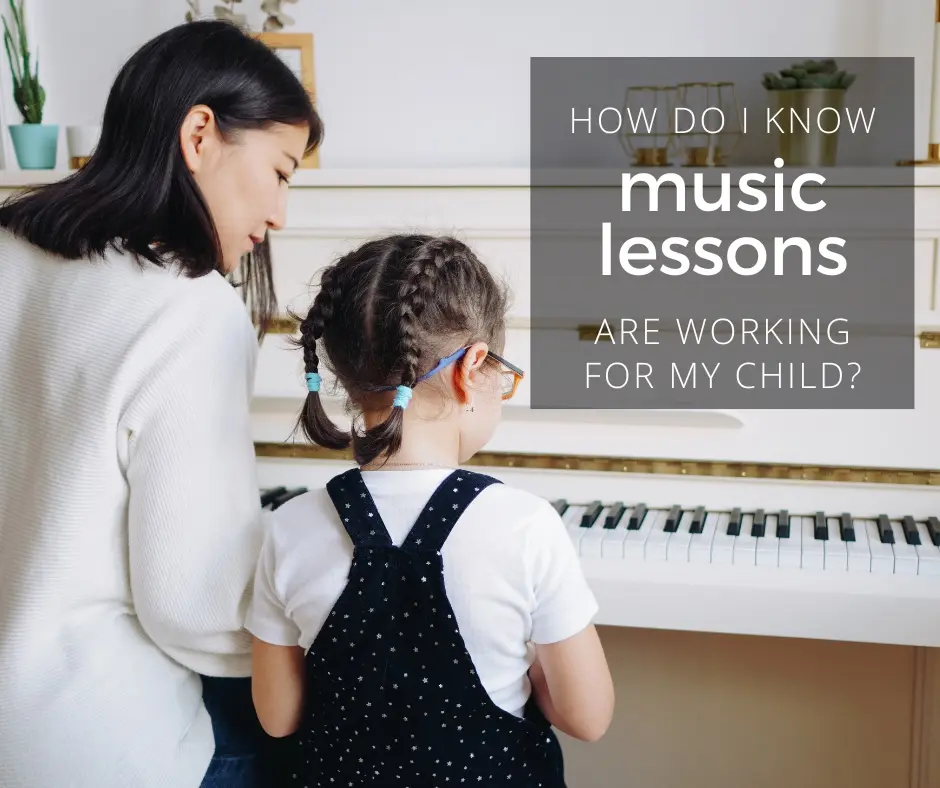
If your child is enrolled in music lessons, this question has probably crossed your mind more than once. You might wonder if they are actually learning anything, especially if progress does not look dramatic or if practice feels inconsistent. This is completely normal.
Music learning does not always show up the way we expect. It is rarely a straight line, and it often looks different depending on a child’s age and stage of development. The good news is that there are many clear signs that lessons are working, even if your child is not playing full songs yet.
This guide will help you quickly recognize real progress, understand what matters most, and feel confident about your child’s musical growth.
First, Let’s Reset Expectations
Music lessons are not only about performance. Especially for young children, progress often shows up in subtle but meaningful ways long before polished playing appears.
Music lessons are working if your child is:
- Building skills gradually
- Becoming more comfortable with sound and rhythm
- Developing confidence and curiosity
- Engaging with music more often in daily life
Progress does not need to look impressive to be effective.
Signs Music Lessons Are Working (Even If It Does Not Look Like It Yet)
Here are some of the most reliable indicators that music lessons are doing exactly what they should.
Your Child Is More Engaged With Music Outside of Lessons
One of the clearest signs is what happens when no one is watching.
You might notice that your child:
- Sings songs from lessons on their own
- Taps rhythms on tables or toys
- Pretends to teach you something they learned
- Talks about instruments or music concepts
- Wants to listen to music more often
This tells you that learning is sticking. Music is becoming part of their world, not just a weekly activity.
Your Child Is Developing Musical Awareness
Progress often shows up as awareness rather than performance.
Look for things like:
- Recognizing when music is fast or slow
- Noticing loud versus quiet sounds
- Keeping a steady beat for short periods
- Identifying familiar melodies
- Responding physically to music with movement
These skills are foundational and essential. They come before advanced playing.
Practice Feels Easier Than It Used To
Practice does not need to be perfect to be productive.
Lessons are working if:
- Your child needs less prompting to start
- Practice sessions feel shorter and smoother
- Your child remembers what to do from the last lesson
- There is less frustration over time
- Your child recovers more quickly from mistakes
Small improvements in attitude often mean big growth underneath.
Your Child Is Willing to Try, Even When It Is Hard
One of the most important outcomes of music education is resilience.
Music lessons are doing their job if your child:
- Tries again after making a mistake
- Accepts feedback more easily
- Is willing to repeat an activity
- Shows pride in effort, not just results
- Builds patience with challenging tasks
These skills transfer far beyond music.
Progress Matches Your Child’s Age and Stage
It is important to compare your child only to themselves, not to other children.
Healthy progress looks like:
- Gradual improvement, not sudden leaps
- Mastery of small skills before bigger ones
- Curiosity rather than pressure
- Engagement appropriate for their age
For young learners especially, steady exposure and positive experiences matter far more than speed.
Your Child Is Building Confidence
Confidence is one of the strongest indicators that lessons are working.
You might notice:
- Less hesitation when trying new activities
- Willingness to perform informally for family
- Pride in small accomplishments
- Increased comfort with making sound or movement
- A sense of ownership over their learning
Confidence grows when children feel supported and successful.
The Relationship With Music Feels Positive
Perhaps the most important question is this: How does your child feel about music?
Music lessons are working if:
- Music feels enjoyable more often than stressful
- Your child associates music with connection and fun
- Lessons feel like something they belong in
- Curiosity is growing, even slowly
A positive relationship with music sets the stage for long term learning.
What If Progress Feels Slow?
Slow progress does not mean ineffective lessons. It often means your child is doing deep foundational work.
Before worrying, ask yourself:
- Is my child engaged at their own level?
- Are expectations age appropriate?
- Is progress happening gradually over time?
- Is music still mostly enjoyable?
If the answer is yes, lessons are doing their job.
How High Quality Music Lessons Support Real Progress
The structure and approach of lessons matter.
Effective music programs:
- Break skills into small, achievable steps
- Use repetition without pressure
- Encourage play, movement, and listening
- Support both musical and emotional development
- Meet children where they are
Online lessons can be especially effective when they are designed with children in mind. Programs like My Music Workshop online lessons focus on child centered, developmentally appropriate learning that fits into real family life. Families appreciate having consistent guidance, clear goals, and engaging activities without the stress of commuting or rigid schedules.
Questions to Ask Yourself as a Parent
If you are unsure whether lessons are working, these questions can help clarify:
- Is my child growing more comfortable with music?
- Is progress happening gradually over time?
- Does my child feel supported rather than pressured?
- Are lessons building confidence and curiosity?
- Is music becoming part of daily life?
If the answer is mostly yes, you are on the right track.
What Progress Does Not Always Look Like
It helps to know what progress does not need to include.
Music lessons do not need to result in:
- Immediate song performance
- Long practice sessions
- Constant enthusiasm
- Perfect technique
- Linear improvement every week
Learning is messy. That is normal.
How to Support Progress at Home Without Stress
You do not need to do more. You just need to do a little consistently.
Helpful support includes:
- Keeping practice short and predictable
- Celebrating effort over outcome
- Listening to music together casually
- Letting your child teach you something
- Staying curious rather than critical
Small moments matter.
Final Thoughts
Music lessons are working when they build skills, confidence, and a positive relationship with music. Progress often shows up quietly before it becomes visible. By watching for engagement, awareness, resilience, and enjoyment, you can feel confident that your child is learning in meaningful ways.
If you are looking for flexible, child centered online music lessons that support real progress without overwhelming families, My Music Workshop offers engaging programs designed to meet children where they are. These lessons make it easier for busy parents to stay consistent while giving children a strong musical foundation.
Trust the process. Music learning is a long game, and every small step counts.
Ready to start lessons at home?
Step-by-step video lessons for kids 4 to 12 with Mr. Elias, with play-alongs and picture quizzes. Each lesson takes about 10 to 15 minutes. From $10 a month.