Simple Ways to Boost Children’s Memory With Music
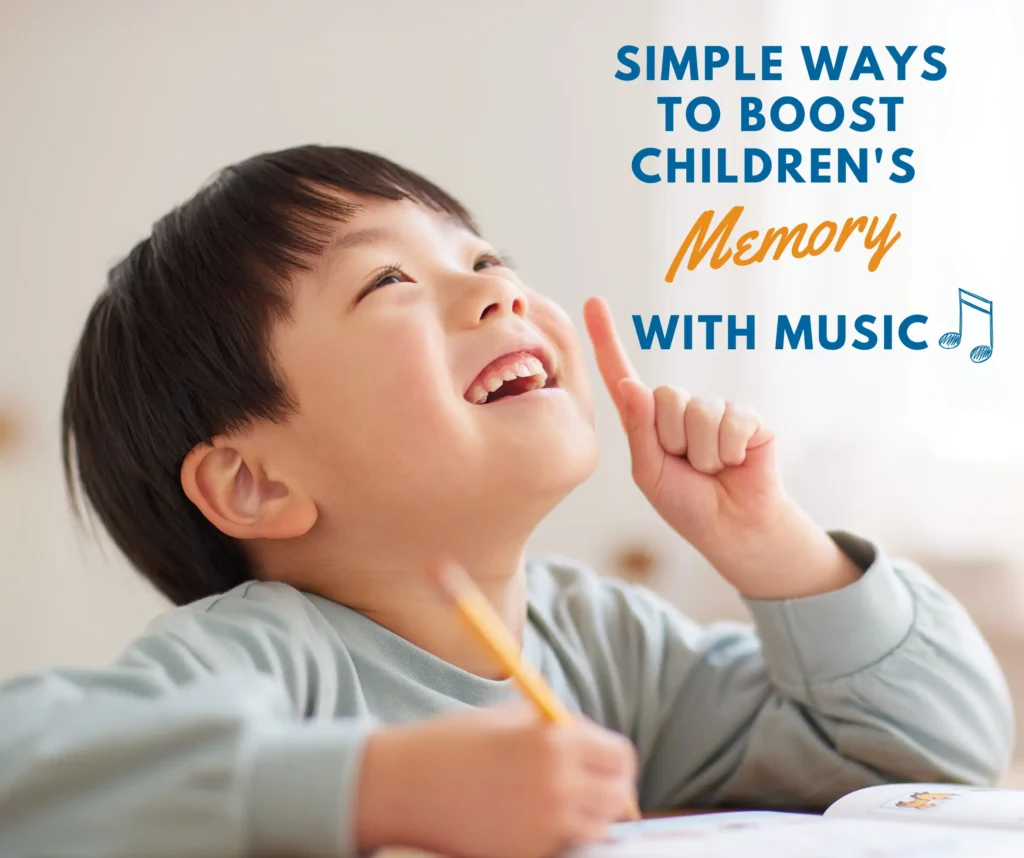
Have you ever noticed how kids can sing along to their favorite songs after hearing them just a few times? Even before they can read or write, many children can remember lyrics, melodies, and even dance moves. That’s because music is an incredibly powerful tool for strengthening memory.
For parents and educators, this natural connection between music and memory is something to celebrate—and use! Whether you’re working with preschoolers, elementary-aged kids, or even toddlers, incorporating music into daily routines can help boost their memory skills in fun, meaningful ways.
Let’s explore how it works and how you can use music to support your child’s growing brain.
Why Does Music Help Memory?
Music is made up of patterns—repeated rhythms, melodies, and lyrics. These patterns give the brain something to hold onto, making it easier to remember information. Think of music as a “memory glue” that sticks words, ideas, and sequences together.
When children sing songs, clap rhythms, or play instruments, they’re not only having fun—they’re also practicing important cognitive skills like:
- Sequencing (remembering the order of things)
- Repetition and recall (hearing and repeating)
- Associating sounds with meaning (connecting lyrics to actions or ideas)
- Auditory memory (retaining information they hear)
The best part? Kids often don’t even realize they’re “practicing” memory—they’re simply enjoying the music.
Music Activities That Build Memory Skills
There are so many simple and joyful ways to use music to strengthen memory. Here are a few of our favorites:
1. Sing-Along Songs with Repetition
Songs that repeat phrases and verses help children remember words and practice sequencing. Classics like “Old MacDonald Had a Farm” or “The Wheels on the Bus” are perfect examples. As kids sing along, they’re reinforcing memory pathways in the brain.
Try This: Gradually pause during familiar songs and let your child fill in the missing word. For example: “The wheels on the ____ go round and round…” This encourages active recall.
2. Clapping and Rhythm Games
Rhythm activities are fantastic for memory. Try simple clapping patterns and have your child repeat them back. As they get better, make the patterns longer and more complex. This strengthens both short-term and working memory.
Classroom Tip: Use rhythm repetition as a fun transition activity between lessons or subjects.
3. Movement Songs
Songs with motions, like “Head, Shoulders, Knees, and Toes”, combine physical movement with musical cues. This multi-sensory approach (hearing, seeing, moving) makes it easier for children to remember sequences and words.
4. Musical Storytelling
Tell a short story through song, adding simple melodies or rhythms. Invite your child to retell the story using the same musical cues. This supports narrative memory and comprehension.
5. Learning Instruments to Boost Focus and Recall
Learning to play an instrument requires memorization of notes, finger positions, and rhythms. Instruments like the piano, ukulele, and drums are fantastic for beginners and offer different kinds of memory challenges.
- Piano lessons teach kids to recognize patterns in music and remember key sequences.
- Ukulele lessons combine strumming patterns with chord shapes, enhancing hand-eye coordination and memory.
- Drum lessons build rhythmic memory and improve concentration through repetitive practice of beats and fills.
The Science Behind Music and Memory
Research shows that music activates multiple areas of the brain, including those responsible for memory, attention, and emotion. Studies have found that musical training and even casual musical activities can improve verbal memory, working memory, and auditory processing in children.
But it’s not just about “serious” music lessons. Everyday musical play—singing at home, dancing in the living room, tapping to a beat—can make a real difference.
In fact, music is often used in educational settings to help kids memorize facts, from the alphabet to multiplication tables. That’s because rhythm and melody provide an easy-to-remember framework.
Building Lasting Memories Through Music
Beyond cognitive skills, music creates emotional memories. Think about the songs you remember from your own childhood. Chances are, those songs are tied to happy moments with family, friends, or school experiences.
By making music a regular part of your child’s life, you’re not only boosting their memory skills—you’re also creating lasting, joyful memories.
Instruments also play a role in this emotional connection. Learning to play favorite songs on the piano, ukulele, or drums gives children a sense of accomplishment. Each practice session becomes a memorable experience that reinforces their learning and builds confidence.
Simple Ways to Add Music to Your Child’s Day
Here are a few easy ideas for parents and educators to weave music into daily life:
- Start the day with a “good morning” song
A cheerful tune helps kids wake up and remember daily routines. - Use songs to reinforce learning
Make up simple songs to teach colors, numbers, or days of the week. - Create a “clean-up” song
Singing while tidying up makes it easier for kids to remember tasks and stay on track. - End the day with a lullaby
A calming bedtime song can become a cherished memory and signal it’s time to rest. - Incorporate short online music lessons into screen time
Instead of passive videos, use a few minutes of structured learning through online piano, ukulele, or drum lessons.
Strengthen Memory with My Music Workshop
At My Music Workshop, we believe that music is one of the best tools for helping kids grow—not just as musicians, but as learners. Our online music lessons are designed to support memory development, creativity, and confidence in a fun and engaging way.
With step-by-step videos, play-along songs, and interactive activities, children build real musical skills while strengthening important cognitive abilities like memory and focus. Whether your child is interested in piano, ukulele, drums, or just loves singing and rhythm games, our lessons are made to be fun and accessible for all skill levels.
Want to try it for yourself? Click here to start your free trial and make music a meaningful part of your child’s learning journey. Help your child build stronger memory skills while having fun with music today!
Ready to start lessons at home?
Step-by-step video lessons for kids 4 to 12 with Mr. Elias, with play-alongs and picture quizzes. Each lesson takes about 10 to 15 minutes. From $10 a month.