How Do I Learn an Instrument With My Child? A Simple, Practical Guide for Busy Parents
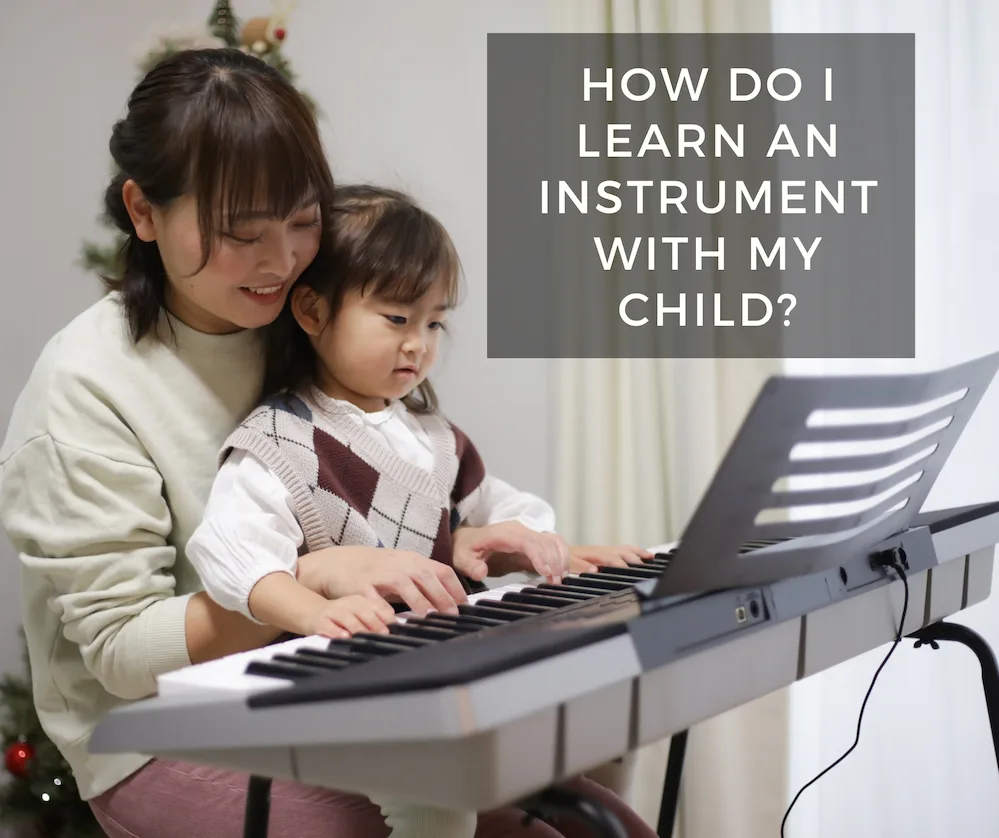
Learning an instrument with your child sounds like a wonderful idea, but busy parents often wonder how to fit it into real life. The good news is that it can be simple, playful and surprisingly doable. You do not need to be musical. You do not need long practice sessions. You only need a little curiosity and a willingness to explore music together.
This guide gives you practical steps you can start using today. No pressure. No perfection. Just shared learning and a bit of fun.
Choose a Simple, Accessible Instrument
The goal at the beginning is participation, not mastery. Pick something that feels easy for both of you.
Good beginner choices include:
- Ukulele
Quick wins and gentle on small hands. Adults learn the basics fast too. - Keyboard or piano
Visually clear and easy for children to understand. - Hand percussion
Drums, shakers or rhythm sticks are great for coordination and fun play. - Recorder
Light, inexpensive and very beginner friendly.
Choose the instrument that feels inviting to you. Your confidence will help your child feel comfortable too.
Create a Realistic Shared Routine
A shared routine does not need to be long. It only needs to be consistent.
Try one of these approaches:
- The Five Minute Start
Five minutes after breakfast or before bedtime is perfect for young kids. - The Weekly Anchor
One predictable weekly session, such as Saturday morning or a weeknight after dinner. - Micro Moments Throughout the Day
One song here, one rhythm game there. It all counts.
The routine should feel natural in your home. When it fits easily, your child looks forward to it.
Learn in Parallel Instead of Teaching
Children do best when they see you learning alongside them. You do not need to be the teacher.
Use phrases like:
- I am learning this too.
- Let’s try that together.
- Can you show me how you did that?
- I wonder what sound this makes!
This shifts the dynamic from pressure to play. You become partners in discovery.
Keep Sessions Short and Playful
Children respond well to music when it feels like fun rather than work.
Try simple activities such as:
- Play and Freeze
Make music until someone says freeze, then stop suddenly. - Copy Me
You play a short rhythm, they copy it. Then switch roles. - Name That Sound
Play a mystery sound for each other and take turns guessing.
Play builds confidence and helps children return to music with enthusiasm.
Celebrate Small Wins
Children thrive when adults notice effort instead of perfection.
Celebrate things like:
- One clear note
- A steady beat
- Remembering a chord shape
- Trying again after a mistake
- Teaching you something new
A little positive attention goes a long way!
Involve the Whole Family
Music becomes more joyful when the whole house participates.
You can:
- Let siblings shake maracas or tap on pots
- Invite another parent or relative to take turns learning
- Ask grandparents to clap along on video calls
- Have family jam sessions on weekends
When music feels communal, children stay interested without pressure.
Use Helpful Support Tools
You do not need to guide everything yourself. Simple tools make the experience smoother.
Try using:
- Short online lessons
- Visual chord or note charts
- Play along tracks
- Beginner friendly activity videos
- Rhythm cards or simple sheet music
If your child is young, child centered programs like those offered by My Music Workshop can give you ready made activities to learn together without preparation or stress. These resources help families participate in music easily and joyfully.
Let Your Child Lead
Kids are more motivated when they feel ownership.
Let them choose:
- The instrument
- The song
- The length of the session
- Whether you take turns or play together
- Which activity or game to try
Expect Ups and Downs
Motivation changes from week to week. This is normal for both children and adults.
If your child loses interest, try:
- Taking a break
- Switching to a new activity
- Shortening the session
- Playing a favorite song
- Letting them choose the plan for the day
The goal is to keep music enjoyable so they naturally return to it.
Remember You Are Learning Too
Your role is not to be perfect. It is to be present.
When children see you learning:
- They understand that growth takes time
- They see that mistakes are normal
- They learn that effort matters
- They feel encouraged to try
This shared journey builds confidence and connection.
Final Thoughts
You can absolutely learn an instrument with your child, even if you have never played one before. Start small! Keep it playful! Stay consistent in a way that fits your real life. The simple act of learning together strengthens your bond and creates meaningful moments that your child will remember.
If you want friendly, ready to use lessons to support this journey, My Music Workshop offers many child centered activities that make learning music together feel easy and fun. It is a gentle way to bring more music into your home without adding stress to your routine.
You do not need perfection. You only need to begin.
Ready to start lessons at home?
Step-by-step video lessons for kids 4 to 12 with Mr. Elias, with play-alongs and picture quizzes. Each lesson takes about 10 to 15 minutes. From $10 a month.