Why Music Education Videos for Kids Are So Effective
Parents today have more educational tools available for their children than ever before. Technology has changed the way kids learn, opening doors to subjects that used to be harder to access outside of school. From math games to language apps, and even virtual science labs, learning has become more interactive, flexible, and fun.
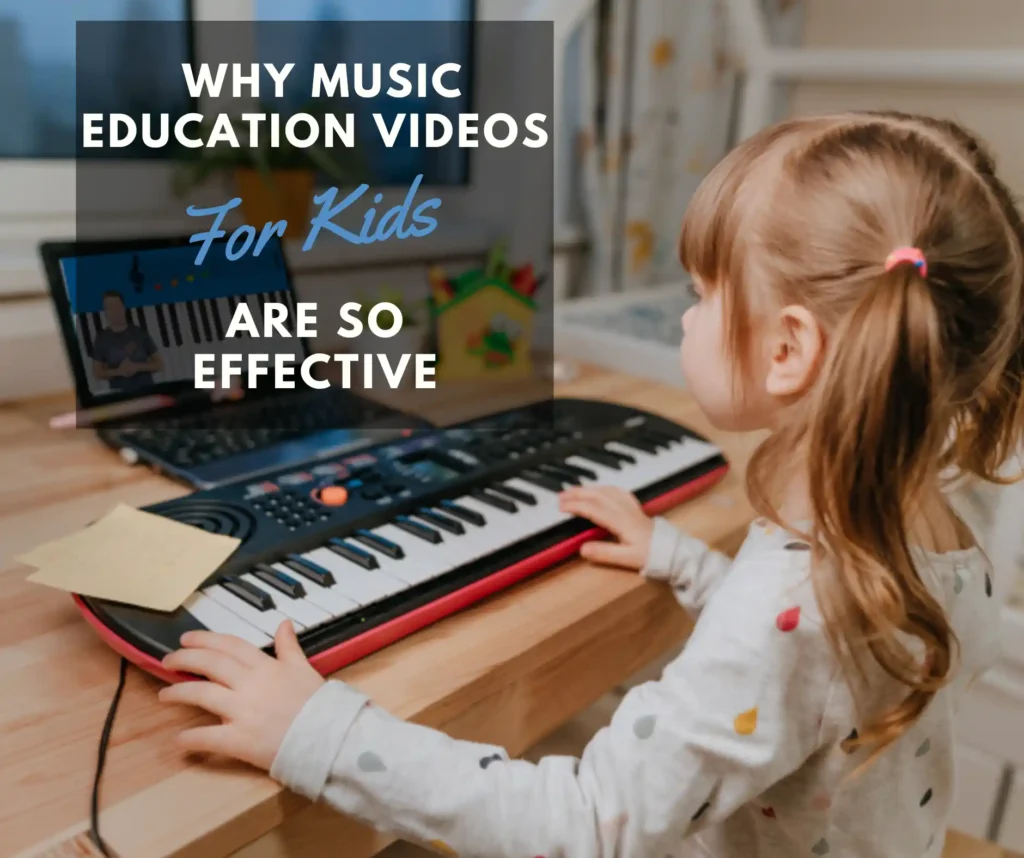
Music education is no different. In the past, learning an instrument or exploring music often meant finding a local teacher, committing to weekly lessons, and arranging transportation. While those experiences are still valuable, families now have another option: music education videos for kids. With just a screen and an internet connection, children can explore rhythm, singing, instruments, and musical concepts in ways that fit into modern life.
This shift in how music is taught has opened up exciting new opportunities for families. Parents can supplement in-person lessons with videos, teachers can use them in the classroom to make music time more engaging, and kids can learn at their own pace—replaying lessons until they master new skills. It’s a flexible, affordable, and effective way to bring the joy of music into children’s lives.
1. Flexibility That Fits Busy Families
Between school, sports, and family activities, fitting in regular music lessons can feel overwhelming. Music education videos allow kids to learn whenever it works best—whether that’s after dinner, on weekends, or even for 10 minutes before school. Unlike traditional lessons, families don’t need to stick to one fixed time or rearrange schedules.
This flexibility means that music becomes part of daily life, not another task on the calendar. Kids can learn in shorter, more frequent sessions, which is often better for building lasting skills.
2. Affordable and Accessible
Private music lessons are valuable, but they can also be costly—especially if families want to give their children opportunities to try different instruments before committing to one. Music education videos are a more affordable option that still provides quality learning. Families can introduce their children to music fundamentals without the high cost of weekly lessons, making music education more accessible for everyone.
Platforms like My Music Workshop were designed with this in mind, offering lessons that keep learning engaging while remaining budget-friendly. For many parents, videos are an excellent starting point or a way to supplement traditional lessons without straining the family budget.
3. Replay Value = Better Learning
One of the best features of music education videos for kids is the ability to pause, rewind, and rewatch. If a child is struggling with a rhythm exercise or wants to review something they enjoy, they can revisit the lesson as many times as needed.
This type of learning reinforces concepts and builds confidence. Kids don’t have to worry about keeping up with a group class or remembering everything from a once-a-week lesson. Instead, they can go at their own pace, which often leads to deeper learning and more enjoyment.
4. Learning That’s Fun and Interactive
Children are naturally drawn to music, and video lessons often use bright visuals and engaging songs to capture their attention. This makes the learning process feel more like play than work.
When kids are having fun, they’re motivated to keep going. That motivation is one of the keys to helping children stick with music, even when it gets challenging. My Music Workshop, for example, builds lessons around playfulness and creativity, so kids don’t just learn—they enjoy the journey.
5. A Great Supplement to Traditional Lessons
Music education videos don’t have to replace in-person lessons; they can complement them. A child taking piano lessons once a week might use videos to practice rhythm or learn basic music theory in between sessions. A classroom teacher could play a video lesson to introduce new instruments or reinforce concepts during music time.
By combining approaches, kids get the best of both worlds: personal guidance from a teacher and fun, flexible video learning they can return to anytime.
Why Music Education Matters
At the heart of it all, music education is about much more than learning notes or mastering an instrument. Studies show that music helps children develop focus, memory, coordination, and even emotional expression. It boosts confidence and creativity, giving kids a healthy outlet for energy and emotions.
When parents provide opportunities for music learning—whether through private lessons, classroom experiences, or online videos—they’re giving their children skills that can benefit them for a lifetime.
Final Thoughts
Technology has made it easier than ever for kids to explore music, and music education videos for kids are one of the most effective tools available today. They’re flexible, affordable, fun, and designed to meet kids where they are. Whether families use them as a first step into music or as a supplement to in-person lessons, videos help make music more accessible to children everywhere.
If you’re looking for a way to introduce your child to music that’s simple, engaging, and family-friendly, music education videos—like those from My Music Workshop—are a wonderful place to start. They can spark a lifelong love of music while fitting easily into your family’s routine.
Ready to start lessons at home?
Step-by-step video lessons for kids 4 to 12 with Mr. Elias, with play-alongs and picture quizzes. Each lesson takes about 10 to 15 minutes. From $10 a month.