What do I do if my child doesn’t know what instrument to pick?
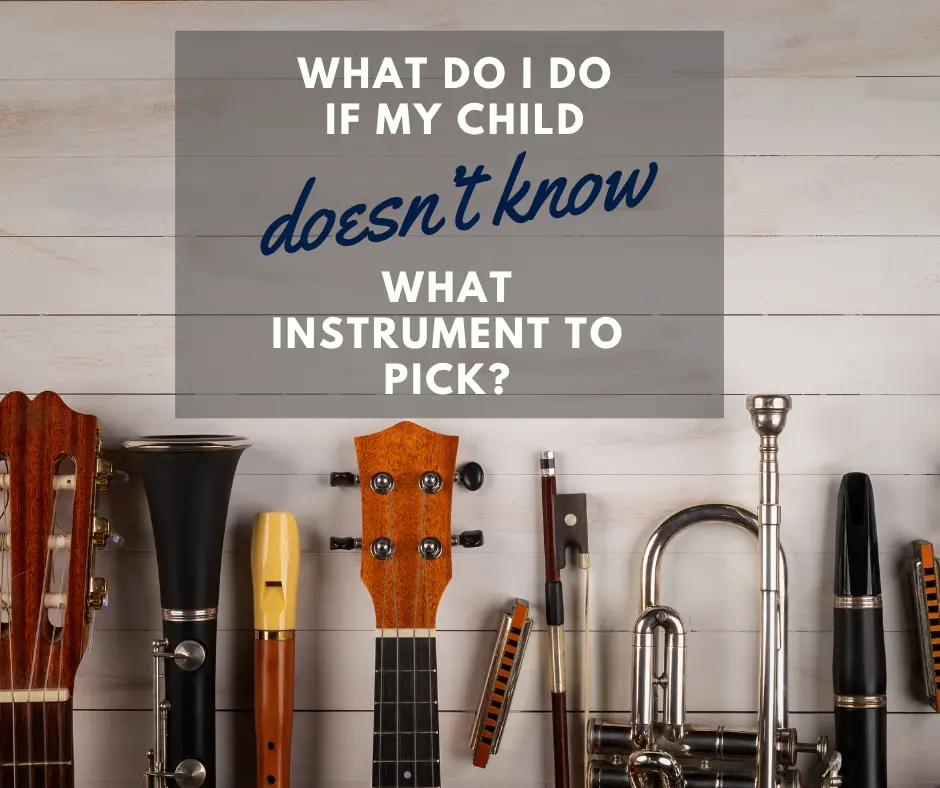
What If My Child Doesn’t Know What Instrument to Pick?
Quick answer
If your child loves music but does not know which instrument they want to learn, they do not need to choose right away. Focus on giving them chances to explore different instruments through general music classes, listening to music as a family, live music events, visiting music stores, and hands on experiences whenever possible. Pay attention to what captures their attention and let their interests develop over time.
A child might start with piano lessons and later discover a love for drums. They might begin with ukulele and learn to play and sing, which sparks an interest in studying singing. They may need to try several instruments before finding the one that truly sticks. Wanting to try various musical instruments is not a sign of indecision or a lack of commitment. It is actually a part of the process of discovering who they are as a musician.
What If My Child Loves Music but Does Not Know Which Instrument to Choose?
So you have a kiddo who definitely seems interested in music, but they are unsure about what instrument they want to learn. This is a cooler conundrum than you might expect. One of the best things about being a kid is having the opportunity to explore and learn about yourself. As a parent or teacher, you have the wonderful opportunity to facilitate that journey of discovery.
So what do you do with a musically indecisive kiddo? You can take the pressure off yourself and them. They do not have to choose an instrument immediately. If you want to make the decision to enroll them in lessons and don’t know what to pick, select the instrument that they seem the most open to and the one that also works for your budget and living arrangement. But leave the door open for your child to eventually explore other ones too.
Some children start with piano lessons and eventually switch to percussion. Some begin with ukulele and discover that they love singing while they play which leads them to want to take voice lessons. Others try piano lessons with some ambivalence, stick with it, and as they get older, their interest in the instrument becomes a really meaningful part of their life.
There is no single roadmap for becoming a musician and it is okay for your child’s musical journey to unfold gradually.
What If My Child Is Still Very Young?
If your child is on the younger side, you may not need to worry about choosing a specific instrument yet. Music and movement classes can be a wonderful place to start because they introduce children to musical concepts without asking them to commit to one particular instrument. Children can learn crucial skills like following musical instructions, finding a steady beat, singing with a teacher and other children, listening carefully, and developing their musical ears. These skills become the foundation for future musical learning, regardless of which instrument your child eventually chooses. Think of it as building a musical foundation before deciding what you want to put on top of it.
How Can I Help My Child Explore Different Instruments?
If your child is a little older, look for opportunities to let them experience instruments in real life. One of my favorite suggestions is to make a trip to a music store a family field trip. Let your child tinker with pianos and keyboards. Ask a sales associate to get a ukulele down from the wall and, with appropriate supervision, let your child strum the strings. Let them sit at a drum set and experience the snare, cymbals, and bass drum pedal. If there are microphones available, let them hear their own voice amplified.
You do not have to make the trip about deciding. Which instrument do they keep coming back to? Which one makes them smile? Do they immediately start experimenting, or do they lose interest after a few minutes?
Pro tip: do this more than once. Kids’ preferences evolve. What fascinates them at five may not be what fascinates them at seven. Recurring exposure gives them the chance to notice those changes for themselves. A music store can become less of a place where you go to buy an instrument and more of a place where your child gets to explore the musical world. And who knows? You may discover or rediscover your interest in an instrument too.
Does My Child Have to Stick With the First Instrument They Choose?
Not necessarily. It is completely reasonable to encourage a child to follow through with a commitment they have already made while also acknowledging that their interests can change. You can normalize this from the beginning. You might say, “Let’s give piano a good try this year. If you are still curious about drums next year, we can explore that too.” That is very different from telling your child they can quit every time something becomes difficult. There is an important distinction between giving up when something gets hard for them and discovering that their interests have genuinely changed.
Does Learning One Instrument Help With Another?
It sure does. Musical skills are connected in ways that can make exploring multiple instruments really valuable. A child who learns ukulele develops coordination, finger dexterity, and an understanding of musical patterns. Those skills can support them if they later pick up guitar. A child who learns piano develops an understanding of melody, harmony, rhythm, and a clear layout of musical pitches. Those concepts definitely support future learning in singing or other instruments. A child who takes singing lessons develops listening skills, pitch recognition, and confidence that can benefit them across many areas of music. Fun fact–many instrumentalists sing the melodies of passages they are learning to better understand how to play and internalize the music. Singing is a great tool for musicians of all kinds.
Is It Bad to Let My Child Explore Multiple Instruments?
Absolutely not. Exploring different instruments can actually increase your child’s musical literacy. Think of it the same way that you would think about your child checking out books at the library. They can never do this enough! Maybe your child learns a few chords on ukulele and then they become captivated by drums which helps them learn to keep a steady beat. Later, they may discover that they love singing. All of these experiences build on one another and give your child a wider perspective on what is possible with music. They are also learning something about themselves each time they try.
What If My Child Still Can’t Decide?
That’s okay. You do not need to force a decision simply because you think there should be one.
Keep exposing your child to music. Listen together, go to concerts, visit music stores, and notice what they gravitate toward. You can also give them the opportunity to try an instrument through online music lessons. My Music Workshop offers online lessons in piano, ukulele, drums, and singing, so children can explore different areas of music from home with the guidance of a teacher. For a child who knows they love music but has not quite figured out which direction they want to take, this can be a low pressure way to begin exploring.The goal is to give them enough musical experiences that, over time, they can begin to discover what feels like theirs.
FAQ
What is the best instrument for a child who cannot decide?
There is no universal best choice. Start with an instrument your child can explore comfortably and pay attention to what naturally holds their interest.
Should I choose an instrument for my child?
Parents can provide guidance, but whenever possible, give your child opportunities to have a voice in the decision. Their curiosity is important.
Is it okay for my child to switch instruments?
Yes. Switching can be a natural part of musical exploration. Encourage your child to follow through on commitments while allowing their interests to develop over time.
What if my child wants to try several instruments?
Let them explore when practical. Skills learned on one instrument often support learning another, and exposure to different instruments can broaden their musical understanding.
Let Their Musical Journey Unfold
You and your child do not need to know exactly where they are going musically straightaway. Pay attention to what makes them light up and applaud the courage it takes for them to try something new. Enjoy the process of watching your kiddo learn about themselves and what they would like to learn!
Ready to start lessons at home?
Step-by-step video lessons for kids 4 to 12 with Mr. Elias, with play-alongs and picture quizzes. Each lesson takes about 10 to 15 minutes. From $10 a month.