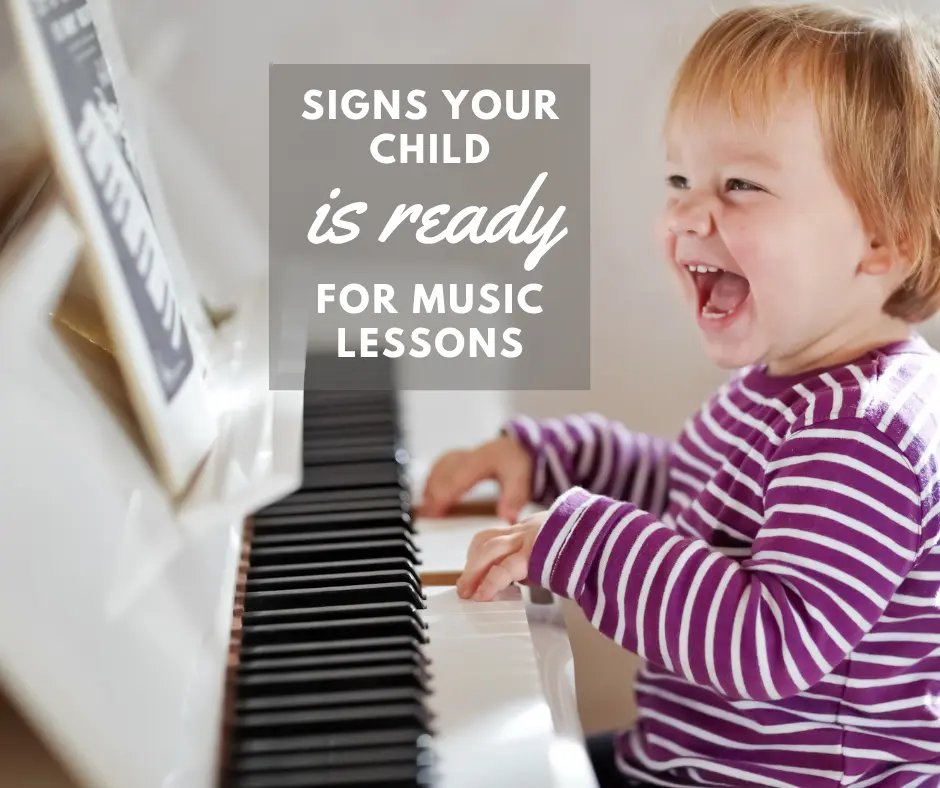
Signs Your Child Is Ready for Music Lessons
Quick answer
How do you know if your child is ready for music lessons?
Most children are ready for music lessons when they can follow simple instructions, show interest in music, and focus for short periods of time (about 10–15 minutes). Readiness is less about age and more about curiosity, coordination, and a willingness to participate.
Introduction
Many parents wonder: Is my child ready for music lessons yet?
It’s a great question!
If you start too early, lessons can feel frustrating. But if you wait too long, and you might worry you’ve missed a valuable opportunity. The truth is, there’s no single “perfect” age to begin. Every child develops at their own pace, and readiness for music lessons depends on a lot more than just age.
Music lessons can be a really positive experience for children. They build confidence, strengthen listening skills, and create opportunities for creativity and self-expression. But in order for those benefits to take root, children need to feel comfortable and capable in the learning process.
In this article, we’ll walk through clear signs your child may be ready for music lessons, what readiness really looks like, and how you can support your child as they begin their musical journey.
What Readiness for Music Lessons Really Means
When parents think about readiness, they often focus on age. However, readiness is really about developmental skills and interest.
Children who are ready for music lessons typically have a combination of the following:
• curiosity about music
• basic listening skills
• emerging coordination
• the ability to engage in short, structured activities
This doesn’t mean they need to sit still for long periods or follow complex instructions. In fact, beginner lessons should be playful and interactive. Beginner lessons should feel FUN. The goal at this stage isn’t perfection. The goal is participation and enjoyment.
Signs Your Child Is Ready for Music Lessons
Here are some clear signs your child may be ready to begin music lessons:
1. They show interest in music
Your child may:
• sing along to songs or make up their own songs
• dance when music is playing
• tap rhythms or clap along to a steady beat
This natural curiosity is one of the strongest indicators of readiness.
2. They can follow simple instructions
Music lessons often involve basic directions like:
• “clap this rhythm”
• “play this note”
• “listen first and then repeat it back”
If your child can follow 1–2 step directions, they’re likely ready to engage in beginner lessons.
3. They can focus for short periods of time
Most beginner lessons only require:
• 10–15 minutes of attention
If your child can complete a short activity like a puzzle, a coloring page, or simple game, they can likely handle a beginner music lesson.
4. They are developing basic coordination
Children don’t need perfect motor skills, but they should be able to:
• use their hands with some control (coloring, stacking blocks, turning pages in a book)
• tap or press with intention (pushing buttons or pressing piano keys)
• mimic simple movements (following basic movements in a song, clapping, tapping)
These skills can help them interact with instruments like piano, drums, or ukulele.
5. They enjoy learning new things
If your child feels excited when they learn something new, even something small, they are more likely to enjoy music lessons.
You might notice:
• pride after completing a task (“I did it!”)
• willingness to try again (working hard to solve a puzzle)
• excitement to show you what they’ve learned (“Watch me do this!”)
If your child shows several of these signs, they may be ready to begin exploring music in a fun and supportive way.
What If Your Child Isn’t Quite Ready Yet?
If your child isn’t showing all of these signs yet, that’s completely okay.
There are many simple ways to build readiness at home:
• sing songs together
• create playlists together
• listen to different types of music
• move and dance to songs
These activities help develop the foundational skills needed for music lessons without any pressure. Often, children naturally grow into readiness through these experiences.
What Music Lessons Can Look Like for Beginners
Many parents picture music lessons as formal and structured, but beginner lessons for young children are usually much more playful.
Here’s what a typical beginner experience might include:
• clapping simple rhythms
• learning high and low sounds
• playing a few notes on an instrument
• repeating short patterns
• singing along with simple songs
Lessons should feel engaging, achievable, and fun.
For example:
A child might learn a simple 3-note pattern on the piano, repeat it a few times, and then show it to a parent. That small success builds confidence and encourages them to keep going.
How to Support Your Child When They Start
Starting music lessons is an exciting step, and your support plays a big role in your child’s experience.
Here are a few simple ways to help:
1. Keep expectations realistic
Progress takes time. Celebrate small steps rather than expecting immediate results.
2. Create a simple routine
Consistency helps children feel comfortable. Even a few minutes at the same time each day can make a difference.
3. Stay involved
Sit nearby, listen, and show interest. Your encouragement helps build confidence.
4. Keep it positive
Focus on effort, not perfection. When children feel successful, they are more likely to continue.
How Online Music Lessons Can Help Beginners
For many families, online music lessons are a great option to explore music.
Programs designed for young beginners like My Music Workshop focus on:
• short, engaging lessons
• step-by-step instruction
• simple, achievable goals
• repetition built into the learning process
Because lessons can be paused and repeated, children can learn at their own pace, which can help make the experience less overwhelming.
Online lessons also allow families to introduce music in a low-pressure, flexible way, which is especially helpful for beginners.
Frequently Asked Questions
What is the best age to start music lessons?
Many children begin between ages 4 and 7, but readiness depends more on developmental skills than age alone.
What if my child loses interest?
It’s normal for interest to fluctuate. Keeping lessons short, fun, and pressure-free can help maintain engagement.
Do kids need an instrument to start?
Not always. Many beginner lessons start with rhythm and listening activities before introducing instruments.
Are online lessons good for beginners?
Yes. Many children successfully start with online lessons, especially when they are designed to be interactive and age-appropriate.
Conclusion
Knowing when your child is ready for music lessons doesn’t have to feel complicated. If your child shows curiosity about music, can follow simple instructions, and engage in short activities, they are likely ready to begin exploring music in a meaningful way. The goal isn’t to start at the “perfect” time. The goal is to create a positive first experience that builds confidence and joy.
With the right approach, music lessons can become something your child looks forward to and can lead to a lifelong love of music.
Ready to Get Started?
If your child is ready to begin their musical journey, My Music Workshop offers beginner-friendly lessons designed specifically for young learners.
Families can explore engaging lessons in:
• piano
• drums
• ukulele
• singing
You can try the program free for 7 days and see how your child responds to learning music in a fun and supportive environment.
About the Author
Carole Crocco is a music educator with My Music Workshop who has extensive experience teaching young children and helping families introduce music in fun and developmentally appropriate ways. She is also a classically trained singer and a songwriter.
Ready to start lessons at home?
Step-by-step video lessons for kids 4 to 12 with Mr. Elias, with play-alongs and picture quizzes. Each lesson takes about 10 to 15 minutes. From $10 a month.