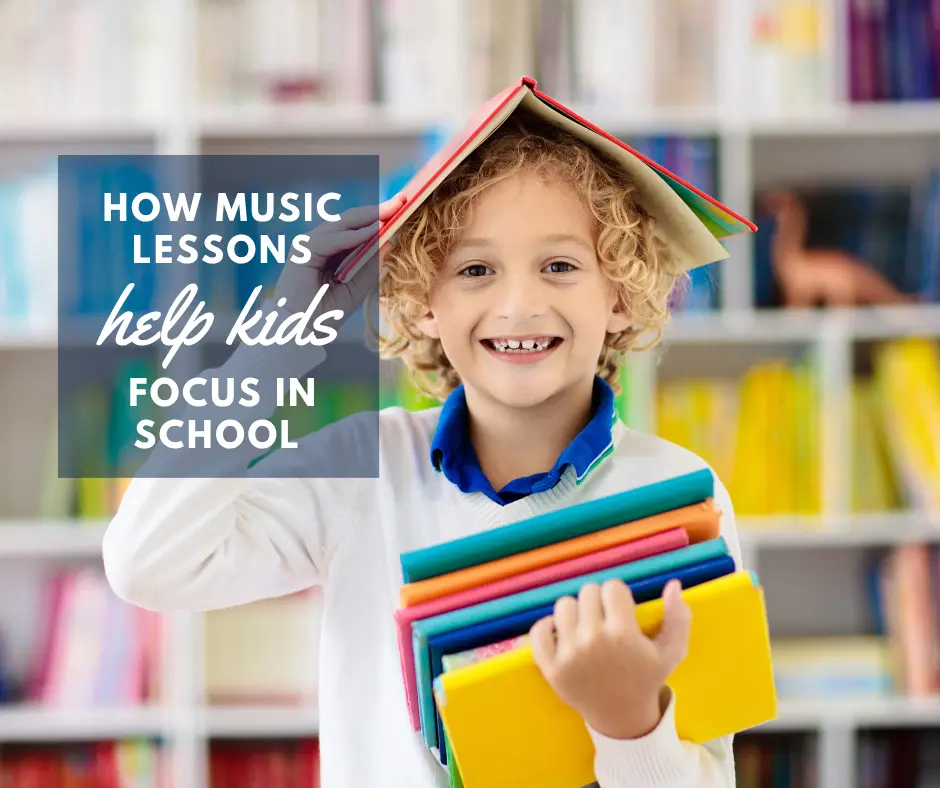
How Music Lessons Help Kids Focus in School
Quick answer
Can music lessons help kids focus in school?
Yes! Music lessons can help children strengthen important skills related to focus, attention, listening, memory, and self-discipline. Learning music requires children to pay attention, recognize patterns, follow directions, and practice consistently, all of which support learning both inside and outside the classroom.
Introduction
Many parents today are looking for ways to help their children focus better. Between busy schedules, screens, constant stimulation, and academic pressure, it can sometimes feel difficult for kids to slow down, listen carefully, and stay engaged with a task for more than a few minutes.
That’s one reason so many families are becoming interested in music lessons not just as a creative activity, but as a tool that supports learning and development in other areas of life. Music lessons do much more than teach children how to play songs. They help children practice listening, concentration, patience, and problem-solving in a hands-on and engaging way.
And unlike worksheets or drills, music often feels enjoyable and rewarding for children, which makes them more willing to stick with it. In this article, we’ll explore how music lessons can help support focus and learning in school, what those benefits actually look like in everyday life, and why music can be such a valuable part of childhood.
Why Focus Can Be Challenging for Kids Today
Focus is a skill that develops over time.
Young children are still learning how to:
• listen carefully
• follow directions
• manage frustration
• stay engaged with an activity
And in today’s world, children are often surrounded by fast-paced entertainment and constant stimulation, which can make sustained attention even more challenging. This is completely normal by the way.
The good news is that focus can be strengthened through activities that require:
• attention
• repetition
• listening
• coordination
• consistency
Music naturally includes all of these elements!
How Music Teaches Attention and Listening Skills
Learning music requires children to pay close attention.
For example, when a child is learning a song, they may need to:
• listen for changes in rhythm
• recognize high and low sounds
• follow a steady beat
• remember patterns
Even simple beginner activities involve careful listening and concentration.
For example:
A child learning piano might listen to a short 3-note pattern and try to repeat it back correctly. A drum student may clap and echo rhythms while focusing on timing and coordination. These activities strengthen what educators sometimes call “active listening” skills which is the ability to focus carefully on information and respond intentionally. Over time, this kind of attention practice can carry over into other learning environments, including school.
How Rhythm and Repetition Support Learning
One of the most powerful parts of music education is repetition.
Children naturally learn through repeating patterns, and music is built on patterns:
• rhythms
• melodies
• sequences
• movement
When children repeat musical patterns, they are strengthening important brain pathways connected to memory, timing, and processing.
For example:
• repeating a rhythm improves sequencing skills
• practicing a song strengthens memory
• keeping a beat develops timing and coordination
Music also encourages children to slow down and try again when something doesn’t work the first time. That process of repetition and gradual improvement helps build persistence; a skill that benefits children academically as well.
How Music Builds Patience and Confidence
Learning music teaches children that progress happens step by step.
At first, a child may only play:
• a few notes
• a short rhythm
• a simple melody
But over time, those small skills build into something larger.
This process helps children experience:
• patience
• perseverance
• confidence
For example:
A child who struggles to play a rhythm correctly but keeps trying eventually experiences the reward of improvement. That sense of accomplishment builds confidence and encourages them to keep learning. Music also gives children opportunities to succeed in ways that feel creative and personal outside of an academic context. For some children, this can become a major source of confidence.
What Music Learning Actually Looks Like for Kids
Many parents imagine music lessons as long, formal sessions focused on perfection. But beginner music education often looks much more playful and interactive.
A young child learning music might:
• clap and copy rhythms
• move to the beat of a song
• play simple patterns on a keyboard
• sing along with movement activities
• repeat short musical phrases
These activities may seem simple, but they are building important foundational skills:
• listening
• coordination
• memory
• focus
• self-expression
For example:
A child practicing a rhythm game is learning to pay attention, wait, listen carefully, and respond at the correct moment. Those are valuable developmental skills both in and out of music lessons.
Why Consistency Matters More Than Perfection
One important thing parents should know is that music benefits come from consistency—not perfection.
Children don’t need:
• long practice sessions
• advanced skills
• perfect performances
Instead, they benefit most from:
• regular exposure
• positive experiences
• manageable routines
Even:
• 10–15 minutes a few times a week can help children build focus and confidence over time.
The goal isn’t to create perfect musicians overnight but to help children develop skills gradually in a positive and encouraging environment.
How Online Music Lessons Can Support Focus and Learning
For many families, online music lessons are a flexible and approachable way to introduce music into a child’s routine.
Programs designed for beginners like ours at My Music Workshop focus on:
• short, engaging lessons
• step-by-step instruction
• repetition built into learning
• achievable goals for young learners
Because lessons can be paused and repeated, children can move at their own pace and revisit concepts as needed. This often creates a lower-pressure learning environment, which can help children feel more confident and engaged.
Frequently Asked Questions
Can music lessons really improve focus?
Music lessons help children practice attention, listening, memory, and coordination—all skills connected to focus and learning.
What instrument is best for focus?
Many instruments can support focus, including piano, drums, ukulele, and singing. The best choice is often the one that keeps your child most engaged and motivated.
How often should kids practice music?
For beginners, short sessions of about 10–15 minutes several times a week are often effective.
Are online music lessons effective for kids?
Yes. Many children successfully learn music online, especially when lessons are designed specifically for beginners and young learners.
Conclusion
Music lessons offer children much more than the ability to play an instrument. They create opportunities to practice focus, listening, patience, memory, and persistence in a way that feels creative and enjoyable. In a world filled with distractions, music gives children a chance to slow down, pay attention, and build confidence one small step at a time.
And perhaps most importantly, music reminds children that learning can feel joyful.
Ready to Get Started?
If your child is ready to explore music, My Music Workshop offers beginner-friendly lessons designed specifically for young learners.
Families can explore engaging lessons in:
• piano
• drums
• ukulele
• singing
You can try the program free for 7 days and see how your child responds to learning music in a fun, encouraging environment.
About the Author
Carole Crocco is a music educator with My Music Workshop who has extensive experience teaching young children and helping families introduce music in fun and developmentally appropriate ways. She’s also a classically trained singer and songwriter.
Ready to start lessons at home?
Step-by-step video lessons for kids 4 to 12 with Mr. Elias, with play-alongs and picture quizzes. Each lesson takes about 10 to 15 minutes. From $10 a month.