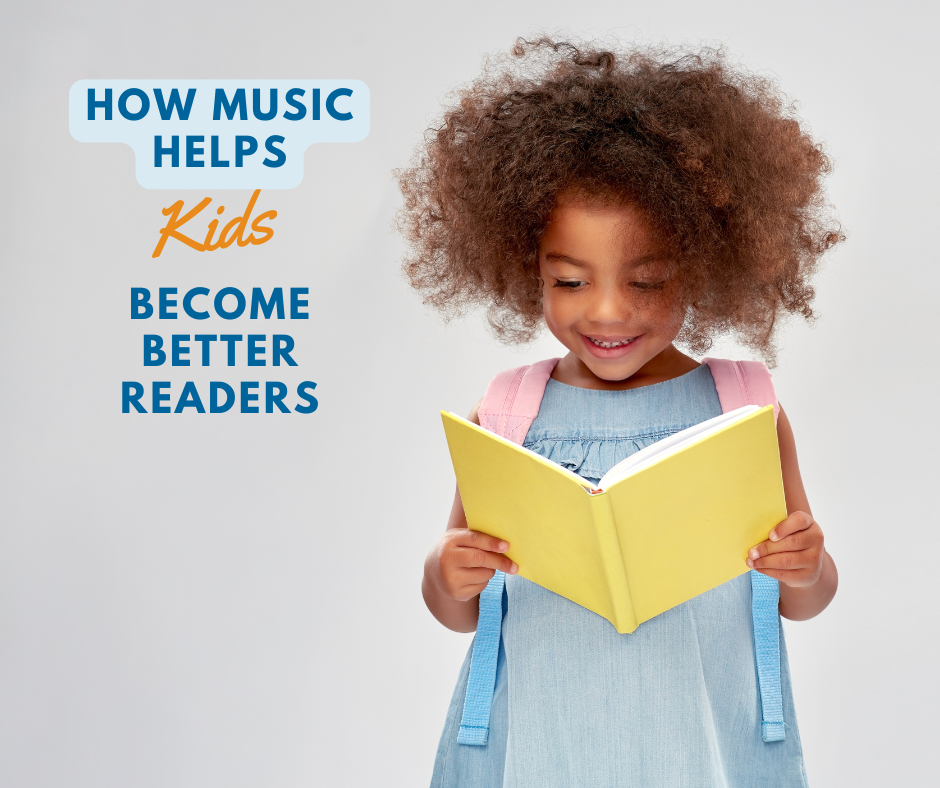
How Music Helps Kids Become Better Readers
As parents and educators, we’re always on the lookout for fun and meaningful ways to help kids develop a love for reading. We know how important it is—reading helps children build vocabulary, improve focus, strengthen imagination, and do better in school. But what if we told you that music could actually help inspire kids to read more?
That’s right! Music and reading go hand in hand, and when used together, they can make learning even more exciting, especially for young kids. Whether you’re singing nursery rhymes, reading picture books with rhythm, or learning song lyrics together, music has the power to spark curiosity, boost comprehension, and build a lifelong love of stories.
Let’s dive into how you can use music to turn reading into something your child will look forward to every day.
Music and Reading Use Similar Skills
Music and reading may seem like two separate activities, but they actually share many of the same brain functions. Both involve:
- Pattern recognition
- Listening and comprehension
- Memory and sequencing
- Understanding rhythm and timing
- Sound-to-symbol recognition (like associating letters with sounds)
When kids clap along to a beat, sing a song, or follow musical instructions, they’re practicing the same kinds of skills they use while reading. That’s why music can be such a powerful support tool—especially for children who may struggle with reading or feel overwhelmed by it.
Singing Songs = Practicing Reading
Have you ever noticed that children can sing every word of a favorite song—even if they’re not reading yet? That’s because music helps reinforce language. Songs have rhythm, rhyme, repetition, and emotion—all key elements that support reading fluency.
When kids sing:
- They hear and repeat words and phrases (just like reading aloud).
- They learn how words fit together in sentences.
- They start to understand meaning through context.
And when lyrics are paired with music, kids are more likely to remember them. Try singing a song while reading the lyrics together. It’s a sneaky (and super fun) way to introduce new vocabulary and strengthen reading confidence.
Music Makes Reading Feel More Fun
Some kids shy away from books because reading can feel like hard work. But music brings in an element of play. Adding instruments, movement, or rhythm to a story turns it into an adventure.
Here are a few ways to combine music and reading to keep things engaging:
- Add Sound Effects to Story Time
Use a drum for stomping giants, a shaker for falling rain, or your voice to sing a character’s dialogue. This helps kids focus, visualize the story, and stay involved. - Create a Reading Song
Start each reading time with a special “It’s Time to Read!” song. Routine and music together help build habits and excitement. - Use Books That Are Also Songs
There are so many great children’s books that double as songs. Some favorites include:
- Down by the Bay
- Pete the Cat books
- The Itsy Bitsy Spider
- Wheels on the Bus
- Down by the Bay
Reading these books while singing them makes the experience feel like a game instead of a lesson.
Encourage Reading Through Music Lessons
Learning an instrument is another wonderful way to support reading. Whether your child is interested in exploring voice lessons, ukulele lessons, or drum lessons, they’re also building key skills that relate to reading:
- Reading music notes improves focus and pattern recognition.
- Following music instructions builds left-to-right tracking (just like reading words).
- Memorizing songs improves working memory and comprehension.
At My Music Workshop, our online music lessons are designed to be fun, playful, and packed with benefits beyond music. We’ve seen how learning an instrument gives kids a boost—not just in music, but in reading, schoolwork, and overall confidence.
Create a “Musical Reading Corner” at Home
Looking for a fun way to make reading more appealing? Turn your reading area into a musical nook! Here’s how:
- Add simple instruments like rhythm sticks, a tambourine, or a ukulele.
- Keep a stack of books that are song-based or rhythm-focused.
- Play calm background music during reading time to create a peaceful atmosphere.
- Encourage your child to make up songs about the books they read.
When reading feels interactive, creative, and joyful, kids are more likely to do it often—and that’s how lifelong readers are born!
Final Notes for Parents and Educators
If your child lights up when they hear a song but gets discouraged when it’s time to read, music might be the bridge that connects the two. Start small—play a favorite tune and follow along with the lyrics. Read a book that you can sing. Or enroll in online music lessons that gets your child thinking, listening, and learning in new ways.
Music invites kids into the world of language in a way that’s comforting and fun. It turns learning into play, which is exactly what young minds need.
Try Music Lessons That Inspire Learning
At My Music Workshop, we believe that music education should support the whole child—mind, body, and heart. That’s why our online music lessons include rhythm games, sing-alongs, composition tools, and engaging activities that go beyond music skills. Our lessons help kids build focus, memory, reading readiness, and most importantly—confidence!
Whether your child is interested in ukulele lessons, piano lessons, or even beginning drum lessons, we’ve got fun, easy-to-follow videos that meet them at their level.
Want to try it out? Click here to start your free trial today and see how music can support your child’s learning journey—both inside and outside the classroom.
Ready to start lessons at home?
Step-by-step video lessons for kids 4 to 12 with Mr. Elias, with play-alongs and picture quizzes. Each lesson takes about 10 to 15 minutes. From $10 a month.