From Beginner to Band: How to Help Older Kids Level Up Their Music Skills
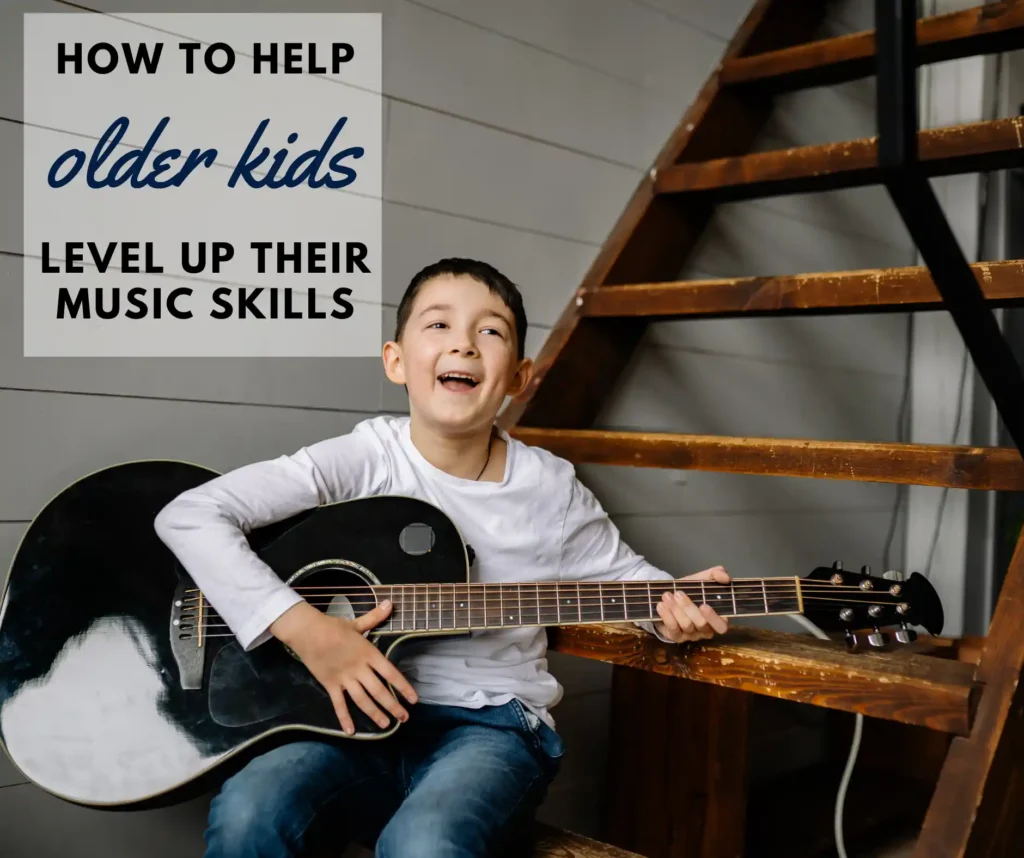
Your child has been learning music for a while. They’ve mastered a few favorite songs, learned to read notes, and maybe even performed for family and friends. But now that they’re a little older, their enthusiasm might be changing. They still enjoy music, but they’re ready for something new… more challenge, creativity, and connection.
This is an exciting stage. Between the ages of 10 and 14, children often begin to move from beginner to independent musician. They start dreaming about joining a band, writing songs, or performing in front of others. Here’s how you can support them through this important transition and help their love of music continue to grow.
1. Celebrate How Far They’ve Come
It’s easy to focus on what’s next: the new songs, techniques, and goals ahead. But take a moment to look back with your child. Remind them of how much progress they’ve made.
- Watch old videos of their first lessons or performances.
- Talk about the instruments or songs they’ve learned.
- Share how proud you are of their dedication.
Recognizing progress helps kids see music as a journey, not just a list of assignments. It builds confidence and motivation for what comes next.
2. Encourage Exploration and Choice
As children reach the preteen years, they begin to develop stronger preferences. This is a great time to let them explore new instruments, styles, or genres. A child who started on piano might want to try drums or ukulele. A young musician who loves pop might get curious about jazz or movie soundtracks.
You can encourage this exploration by asking questions such as:
- “What kind of music makes you feel excited right now?”
- “Would you like to learn that song on your instrument?”
- “Have you thought about playing with someone else?”
When kids have a voice in what they’re learning, their motivation soars. At My Music Workshop, we’ve seen students light up when they realize that music isn’t just about following lessons, it’s about expressing who they are!
3. Shift from Practice to Purpose
Younger children practice because a teacher or parent tells them to. Older kids practice because they have a goal. Maybe they want to play at a school talent show, record a song, or join a local youth band.
Help your child set meaningful goals like:
- Learning three favorite songs well enough to perform
- Composing their first short piece
- Playing along with a favorite track
- Jamming with a friend or sibling
When practice is tied to purpose, it becomes something they want to do. Instead of saying “Go practice,” you can say “Let’s get ready for your next performance.”
4. Support Group Playing and Collaboration
Music is meant to be shared. Once your child has a foundation of skills, encourage them to play with others. That might mean joining a school band or choir, starting a small group with friends, or playing duets at home.
Group playing teaches teamwork, listening, and adaptability — skills that are useful in every area of life. It also makes learning more social and fun. Kids who play with others often stay motivated longer because they feel part of a musical community.
If you don’t have a convenient local option, online programs like My Music Workshop can provide ways for kids to learn, connect, and be inspired from home.
5. Add Technology in a Smart Way
Technology can be an amazing tool for music learning when used thoughtfully. Encourage your child to:
- Record their practice sessions to track progress
- Use rhythm or music theory apps that make learning feel like a game
- Try simple recording software to create loops or experiment with songwriting
Digital tools help kids see how music fits into the modern world. With your guidance, technology becomes a creative extension of their learning, not a distraction.
6. Connect Music to Real-Life Opportunities
Kids are motivated when they see how music can fit into their lives. Help them find ways to use their skills in the real world:
- Perform at school assemblies or family events
- Share performances safely on social media
- Use music to relax, focus, or express emotions
- Volunteer to play at community events
Showing them that music has real value for connection, joy, and even giving back, helps them understand it’s more than a hobby. It’s a life skill.
7. Balance Structure and Freedom
As your child grows, they’ll need both structure and space to explore. Keep regular lessons or practice times, but allow freedom to play, create, or experiment. You might set aside one day a week for “creative time” where they can write, improvise, or just have fun with music.
This balance helps maintain discipline while nurturing creativity and individuality.
8. Model Lifelong Learning
Show your child that music can be part of life at any age. Share songs you love, talk about favorite artists, or even learn a few notes yourself. When kids see adults enjoying music, it reinforces that it’s something to keep for life, not just a childhood activity.
The Takeaway
The shift from beginner to band is one of the most exciting parts of your child’s musical journey. With your encouragement and opportunities to explore, collaborate, and create, they’ll grow from following instructions to discovering their own musical voice.
At My Music Workshop, we’re passionate about helping kids of all ages reach that next level. Our online lessons make it simple to keep learning and progressing at home. With engaging videos, fun activities, and a variety of instruments to explore, your child can build confidence and skill that lasts a lifetime.
Ready to start lessons at home?
Step-by-step video lessons for kids 4 to 12 with Mr. Elias, with play-alongs and picture quizzes. Each lesson takes about 10 to 15 minutes. From $10 a month.