Are drum lessons worth it?

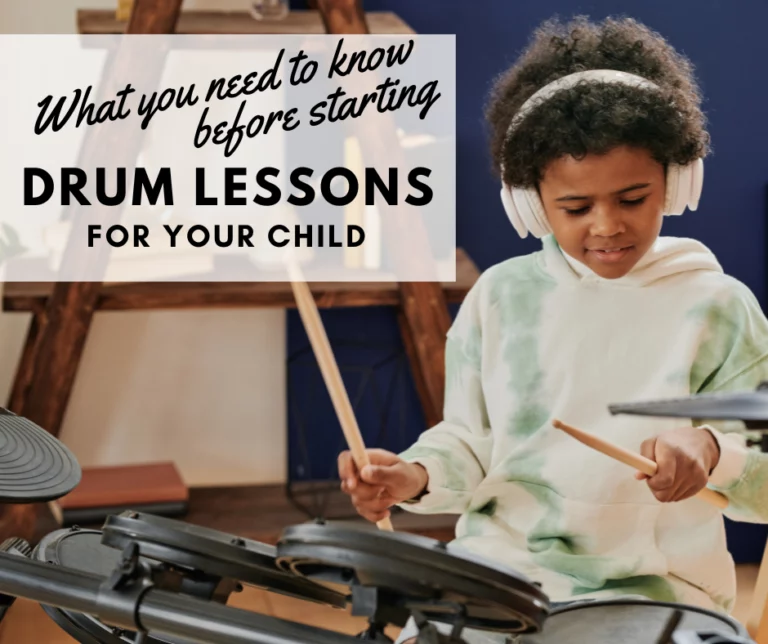
When kids (or parents) think about music lessons, piano and guitar often come to mind first. But drums? For many children, drumming is one of the most exciting and natural ways to dive into music. Kids love to tap, bang, and create rhythms before they even know what music is, which makes drums an incredibly appealing choice.
But the question is: Are drum lessons worth it? The answer is yes—and then some. Drum lessons can boost focus, coordination, and confidence while giving kids an outlet for energy and creativity. They also provide a solid foundation in rhythm, which is the heartbeat of all music.
In this blog, we’ll explore why drum lessons are worth it, how they compare to other instruments, what they cost, how long it takes to learn, and even a simple breakdown of the “80/20 rule” that can help kids learn drums efficiently.
Why Drums Are a Great Choice for Kids
The drum set might look complicated at first glance, but at its core, drumming is simple: hit something, and it makes a sound! That immediate success is motivating for kids. Unlike some instruments where it can take months to produce a pleasant note, children can play along to music on the drums almost right away.
Drumming also taps into kids’ natural sense of rhythm. Long before children can sing or play melodies, they can clap their hands or bang on a table. This makes drums one of the most accessible instruments for beginners.
And while drums may be loud, they’re also incredibly rewarding. Kids who take drum lessons often develop a strong sense of timing and rhythm that helps them in all areas of music—whether they stick with drums or later pick up another instrument.
The Benefits of Drum Lessons
Just like piano or guitar, drum lessons come with a variety of developmental benefits:
- Focus and Concentration: Keeping a steady beat requires listening, timing, and coordination.
- Coordination: Drumming involves using both hands and feet, often independently. This improves motor skills and brain development.
- Confidence: Playing along to songs or performing in front of others builds self-esteem.
- Stress Relief: Drumming is physical and can be a healthy outlet for energy and emotions.
- Teamwork: Drummers often play in bands or ensembles, learning how to listen and work with others.
Drums also provide something unique: instant connection. Put on a favorite song, and your child can play along—even with just a simple beat. That feeling of “making music” keeps kids motivated to keep learning.
What is the Cost of Drum Lessons?
The cost of drum lessons varies depending on where you live and the type of lessons you choose. Traditional private lessons usually cost:
- $30–$50 for a 30-minute lesson
- $50–$100 for an hour lesson
That means families can expect to pay around $120–$200 per month for weekly private lessons.
In addition, there’s the cost of equipment. A beginner drum set can range from a few hundred dollars to over a thousand. Electronic drum kits (a great option for keeping the volume down) are often in the $400–$800 range for a quality beginner set.
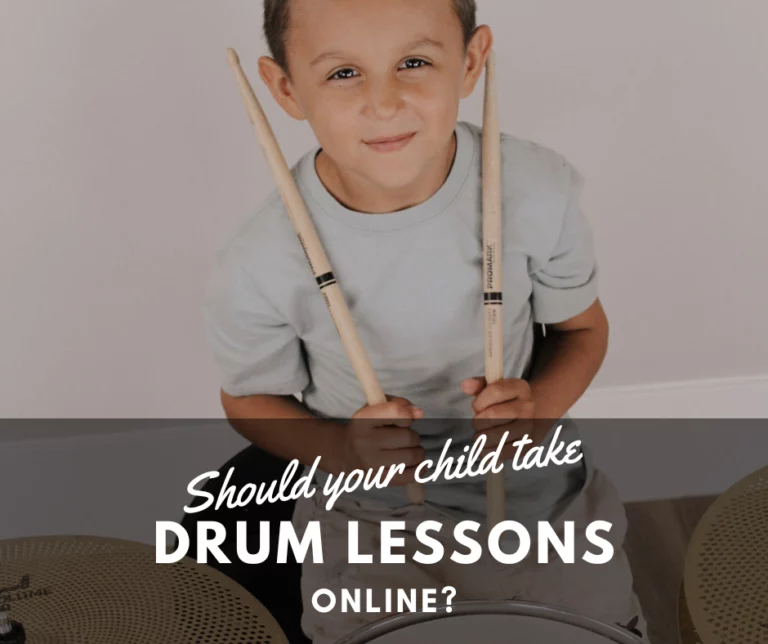
For many families, these costs can feel overwhelming. That’s where alternatives like online drum lessons come in. Programs like My Music Workshop provide high-quality, kid-friendly lessons at a fraction of the price, with the added bonus of flexible scheduling. Families don’t have to commit to a weekly in-person lesson, and kids can rewatch lessons as often as they want.
Is Drumming Easier than Learning Guitar?
Parents often wonder: Is it easier for my child to learn drums or guitar?
The answer depends on the child’s personality and interests, but generally, drums are quicker to start. Kids can learn a basic beat in their very first lesson and immediately play along to a song. With guitar, it takes more time to develop finger strength, calluses, and the ability to switch between chords smoothly.
That said, drums do get more complex as students progress. Coordinating multiple limbs, playing intricate rhythms, and learning drum notation can be challenging. Guitar can be tricky at the beginning, but once kids master a few chords, they can strum and sing hundreds of songs.
So, while drums are often easier to start, both instruments become more rewarding as kids stick with them. The best choice is always the one that excites your child the most.
How Long Does It Take to Learn Drums?
One of the great things about drums is how quickly kids can feel successful. With consistent practice, many children can play along to simple songs within a few weeks.
To give you an idea:
- 1–3 months: Kids can usually play a basic rock beat and keep time with simple songs.
- 6–12 months: With practice, they’ll add fills, play along with a wider variety of songs, and start building confidence.
- 1–2 years: Students can typically play comfortably in a school band or jam with friends.
Of course, progress depends on how often kids practice. Short, consistent practice sessions—just 10–15 minutes a day—go much further than a long session once a week.
What is the 80/20 Rule (in Simple Terms)?
The “80/20 rule,” also called the Pareto Principle, is a way of thinking about learning (and life) that says: 80% of results come from 20% of effort.
Applied to drums, it means that a small portion of what kids learn will give them the biggest results. For example, learning a simple rock beat and a few fills will allow kids to play along with thousands of songs. Instead of trying to master every single drumming technique right away, focusing on the essentials provides the fastest path to success.
For kids, this principle is powerful. It means they don’t need to spend years practicing before they can really enjoy drumming. By focusing on the basics, they’ll see progress quickly—and that progress keeps them motivated to keep learning.
Are Drum Lessons Worth It?
So, back to our original question: Are drum lessons worth it? Without a doubt. Drum lessons provide kids with an engaging, fun, and highly rewarding way to learn music. They help children develop focus, coordination, and creativity while giving them an outlet to express themselves.
They’re also practical. Drummers are always in demand, whether in school bands, music groups, or even just for family jam sessions. Plus, the confidence kids gain from mastering rhythms and performing is something they carry with them into other parts of life.
And while private lessons can be costly, options like our online drum lessons make drumming accessible and affordable for families who want to give their children the benefits of music without breaking the bank.
The Final Beat
Drumming is more than just hitting things with sticks. It’s about rhythm, creativity, energy, and expression. For kids, drum lessons are an incredible way to build confidence, sharpen the mind, and bring joy to learning.
Whether your child dreams of being a rock star or simply wants to play along with their favorite songs, drum lessons are absolutely worth it. And with the right approach—drumming can be a gift that sticks with them for a lifetime.
Ready to start lessons at home?
Step-by-step video lessons for kids 4 to 12 with Mr. Elias, with play-alongs and picture quizzes. Each lesson takes about 10 to 15 minutes. From $10 a month.