Common Mistakes Parents Make When Starting Music Lessons
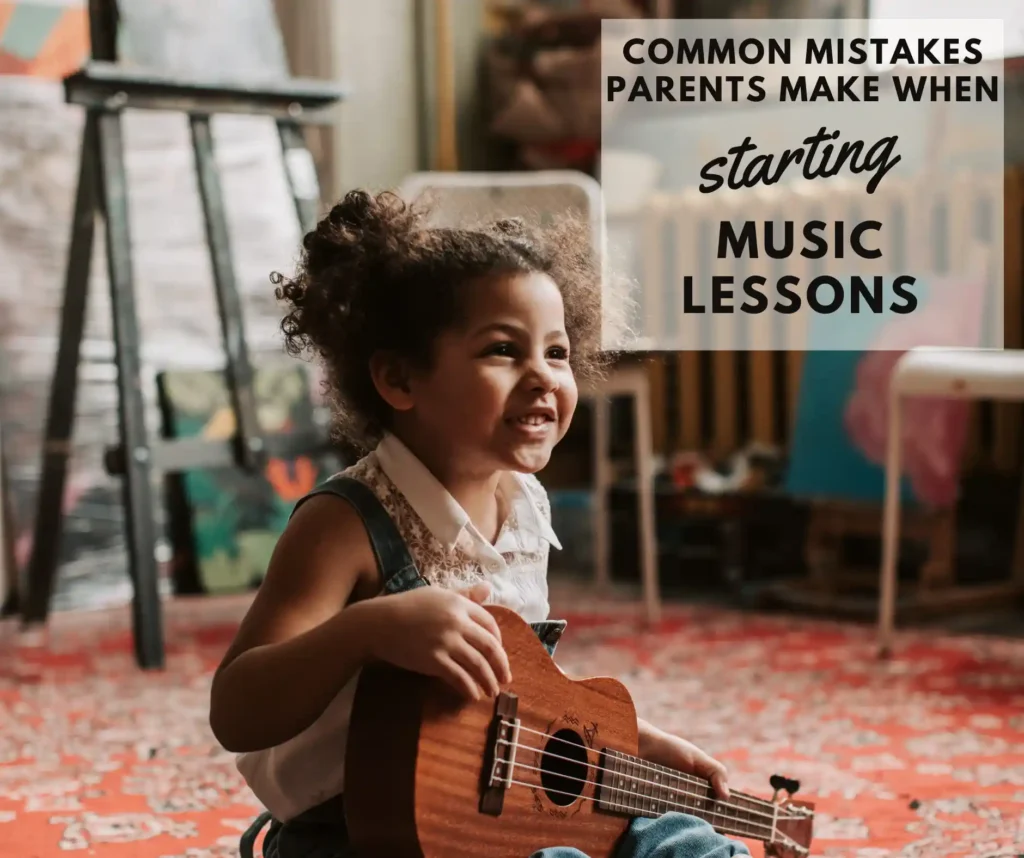
Starting music lessons for your child is an exciting step. You’re opening the door to creativity, discipline, and joy that can last a lifetime. But like any new activity, there are challenges along the way. Many parents make a few common mistakes when beginning their child’s music journey—mistakes that can lead to frustration or even cause kids to lose interest in music altogether.
The good news? With a little awareness, these pitfalls can easily be avoided. Let’s explore some of the most common missteps parents make when starting their children in music lessons—and how you can set your child up for success.
1. Choosing the Wrong Instrument Too Early
It’s tempting to decide for your child what instrument they’ll play, especially if you have a favorite in mind. But one of the quickest ways to discourage a young musician is to push them toward an instrument they aren’t excited about.
Children are naturally drawn to certain sounds, rhythms, or even the physical feel of an instrument. A child who loves drumming on pots and pans might not thrive if handed a violin. The better approach? Expose your child to different instruments and see what sparks their interest.
Programs like My Music Workshop allow kids to explore music fundamentals across multiple instruments—piano, drums, ukulele, and voice—before narrowing in on one. This helps children discover what truly excites them.
2. Expecting Immediate Results
Music is a skill, and like any skill, it takes time. Some parents expect children to play songs perfectly within a few weeks, but the reality is progress happens gradually.
Children often need months (or years) to develop the coordination, ear training, and discipline needed to play confidently. When kids feel pressure to “be good” right away, they may become discouraged.
Encourage your child to celebrate small wins—playing a short melody, mastering a rhythm, or even just remembering a musical term. Online programs like My Music Workshop build lessons around achievable steps, helping kids stay motivated with quick, visible progress.
3. Over-Scheduling Practice
Practice is essential, but overloading kids with long, rigid practice sessions can backfire. For young beginners, 5–10 minutes a few times a week is often enough. What matters most is consistency and enjoyment, not marathon sessions.
Parents sometimes treat practice like homework, but music practice should feel different. It should be fun, playful, and creative. Let your child have space to experiment, play their favorite songs, or even make up their own.
The most successful young musicians are those who see practice as something they want to do, not something they’re forced into.
4. Comparing Your Child to Others
It’s natural to notice how your child stacks up against their peers, but constant comparisons can harm their confidence. Every child learns at a different pace. Some may pick up rhythm quickly while others excel at memorizing songs.
Instead of comparing, focus on your child’s personal progress. Did they sing a note more confidently this week? Did they finally remember where middle C is? Those are victories worth celebrating.
In programs like My Music Workshop, children are encouraged to move at their own pace, with no pressure to “keep up” with anyone else. This individualized approach helps build confidence and joy.
5. Making It Too Serious Too Soon
While structure is important, making music lessons overly formal or strict from the start can take the fun out of learning. Children, especially younger ones, need music to feel like play.
If the experience feels too much like a test, kids may resist. Try mixing fun activities into lessons and practice time. Sing silly songs, clap out rhythms, or play along with their favorite music.
My Music Workshop builds this philosophy into every lesson—combining real music education with games, songs, and activities that keep kids engaged.
6. Ignoring the Importance of the Teacher or Program
Not all music programs are created equal. Sometimes parents choose the closest or most affordable option without considering whether the teaching style matches their child’s personality and needs.
A teacher (or program) who is too rigid may not connect with a playful child, while a program that moves too slowly may bore an older beginner. It’s important to find a program that balances structure with fun and adapts to your child’s learning style.
7. Forgetting to Be Involved
Parents don’t need to sit in on every lesson or monitor every practice, but showing interest goes a long way. When kids feel supported, they’re more likely to stay motivated.
Ask your child to show you what they learned, clap along while they play, or even try learning a simple exercise together. These small moments of encouragement make a big difference.
Online lessons can make involvement easier because parents can sit down for a few minutes to watch a lesson or replay a favorite activity together.
8. Quitting Too Soon
One of the biggest pitfalls parents face is pulling kids out of lessons when progress feels slow. Almost every child will hit a plateau at some point, where improvement isn’t as obvious.
This is normal. Learning music is a journey, not a sprint. Quitting during a slump often means kids miss the breakthrough that comes after sticking with it.
Encourage persistence by reminding your child of how far they’ve come. Celebrate progress and keep lessons fun during challenging times.
Final Thoughts
Starting music lessons for your child is a wonderful gift—but avoiding common pitfalls can make the experience even more rewarding.
The key is to keep things fun, encourage steady progress, and support your child’s unique journey. Don’t expect overnight success, don’t over-schedule, and don’t forget to celebrate small wins along the way.
With the right mindset—and the right program—music lessons can spark a love of music that lasts a lifetime. Online platforms like My Music Workshop make it easier than ever for families to get started, offering fun, flexible, and affordable lessons that keep kids engaged and excited about learning.
If your child is ready to begin, start small, stay patient, and enjoy the music-making process together.
Ready to start lessons at home?
Step-by-step video lessons for kids 4 to 12 with Mr. Elias, with play-alongs and picture quizzes. Each lesson takes about 10 to 15 minutes. From $10 a month.