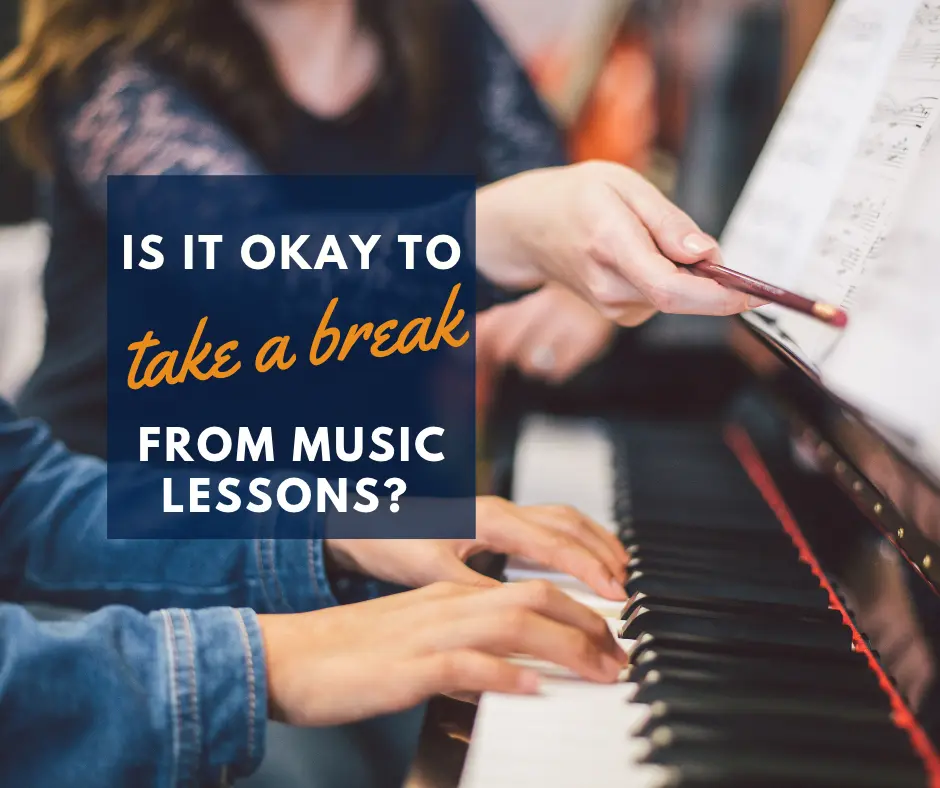
Is it okay to take a break from music lessons?
Quick answer
Yes! Taking a break from music lessons can be a healthy choice when a child feels overwhelmed, loses interest, or needs time to explore other activities. Continuing to make music at home, even without formal instruction, can help children maintain a connection to music without the pressure of regular lessons and practice. A break does not have to mean giving up on music altogether. Sometimes, stepping away from structured lessons gives children the space they need to rediscover the fun of making music.
How Do I Know If My Child Needs a Break From Music Lessons?
It can be difficult to know whether your child is experiencing a temporary challenge or genuinely needs a break. Learning an instrument requires patience, repetition, and effort, so occasional frustration is completely normal. That is why learning an instrument is such a great way to forge grit and perseverance.
However, there are some signs that your child may be feeling overwhelmed or struggling to enjoy their lessons.
Some things to watch for:
- Complaints about going to music lessons.
- Becoming upset or frustrated when it’s time to practice.
- No longer seems excited about playing their instrument.
- Feelings of overwhelm balancing music with school and other activities.
- Shows little interest in music outside of required lessons or assignments.
One difficult week does not mean your child needs to quit. Sometimes children simply need encouragement, a change in their practice routine, or help working through a challenging musical concept. However, if frustration becomes a regular part of the experience, it is definitely worth taking a closer look. Music education should provide opportunities for growth and challenge, but children should also have room to enjoy the experience.
Will My Child Lose Their Musical Skills If We Take a Break?
Your child may become a little rusty after stepping away from regular lessons, but that does not mean their previous learning completely disappears. Musical skills develop through repetition, experience and muscle memory. When children stop practicing regularly, certain skills may become less familiar, and they might need time to regain their coordination, confidence, or ability to play particular songs. Keep in mind though that the musical understanding they have already developed can continue to serve as a foundation when they return. Rather than worrying about maintaining a particular level of progress, consider the bigger picture. Learning music is a long-term journey, and a temporary pause does not erase the experiences, skills, and enjoyment your child has gained through their musical training.
How Can I Tell If My Child Needs a Break or Just a Different Approach?
Before stopping lessons altogether, consider whether the problem is music itself or something about the current learning experience. For example, a child who dislikes practicing might actually enjoy lessons but feel overwhelmed by unrealistic practice expectations. Some kids love music but feel disconnected from the songs or exercises they are being asked to learn. Sometimes, a small adjustment can make a big difference. Try to do a little digging to identify the root cause of their struggle and collaborate with your kiddo to see if you can find some ways to make their music learning feel more manageable.
How Can We Keep Music in Our Lives During a Break?
Taking a break from formal lessons does not mean music needs to disappear from your child’s life. One of the best things you can do is make music available without attaching expectations to it. Let your child decide when and how they want to engage with it. Try singing together in the car, exploring different musical styles, dancing in the living room, or allowing your child to experiment with their instrument without following a lesson or practice assignment.
Other simple ideas:
- Listening to favorite songs and talking about the instruments you hear.
- Attending free community concerts or children’s musical performances.
- Exploring music books and stories about composers or instruments.
- Encouraging your child to make up their own songs or making a song with them.
The goal is to remind children that music is something they can enjoy for its own sake and not just another obligation they are expected to complete. It’s very possible that your child begins returning to their instrument independently once the pressure of formal practice has been removed.
How Long Should a Child Take a Break From Music Lessons?
There is no universal amount of time a child should take off from music lessons. The length of the break depends on why they needed one in the first place.
For some families, a few weeks away from lessons may be enough to reset a busy schedule or give a child time to recover from a particularly demanding time. Other children may benefit from taking an entire summer off or waiting until a new school year to reconsider lessons. Instead of setting a strict return date, pay attention to your child’s interest and readiness. Here are some signs that they may be ready to return to lessons:
- Do they occasionally ask to play their instrument?
- Are they singing more often or showing interest in music again?
- Do they seem excited about the possibility of returning to lessons?
These can be encouraging signs, although children do not need to demonstrate constant enthusiasm to be ready to learn again.
How Can My Music Workshop Support My Child’s Musical Journey?
Every child’s musical journey is different. Some children thrive with consistent lessons, while others need more flexibility as their interests and schedules change. At My Music Workshop, we believe music education can be a really fun experience for your child while also making them technically proficient. Whether your child is just beginning or returning to music after some time away, finding an enjoyable and supportive learning environment can help them connect with the joy of making music again. Our affordable online music lessons offer families a flexible way to explore music and develop solid musical skills. When your child is ready to begin or return to lessons, you can explore the available options and find an approach that works for your family.
Remember, taking a break does not mean your child’s musical journey has ended. Sometimes, giving children the freedom to step away from formal instruction is what helps them appreciate music even more.
Frequently Asked Questions
Is it bad to stop music lessons for a few months?
No. A temporary break can give children time to rest, explore other interests, and return when they feel ready. They may need some time to rebuild their skills, but their previous musical experiences still provide a foundation.
Can my child continue playing their instrument without taking lessons?
Absolutely. Children can enjoy playing familiar songs, experimenting with sounds, and making up their own music without formal instruction. Informal music making can be a wonderful way to maintain their interest.
Will my child fall behind other children if they take a break?
Musical development looks different for every child. Your child may progress at a different pace from peers who continue taking lessons, but there is no single timeline they need to follow.
How do I encourage my child to return to music lessons?
Start by following their interests rather than immediately reinstating old expectations. Let them explore different songs, instruments, or lesson formats, and give them opportunities to participate without pressure.
Ready to start lessons at home?
Step-by-step video lessons for kids 4 to 12 with Mr. Elias, with play-alongs and picture quizzes. Each lesson takes about 10 to 15 minutes. From $10 a month.