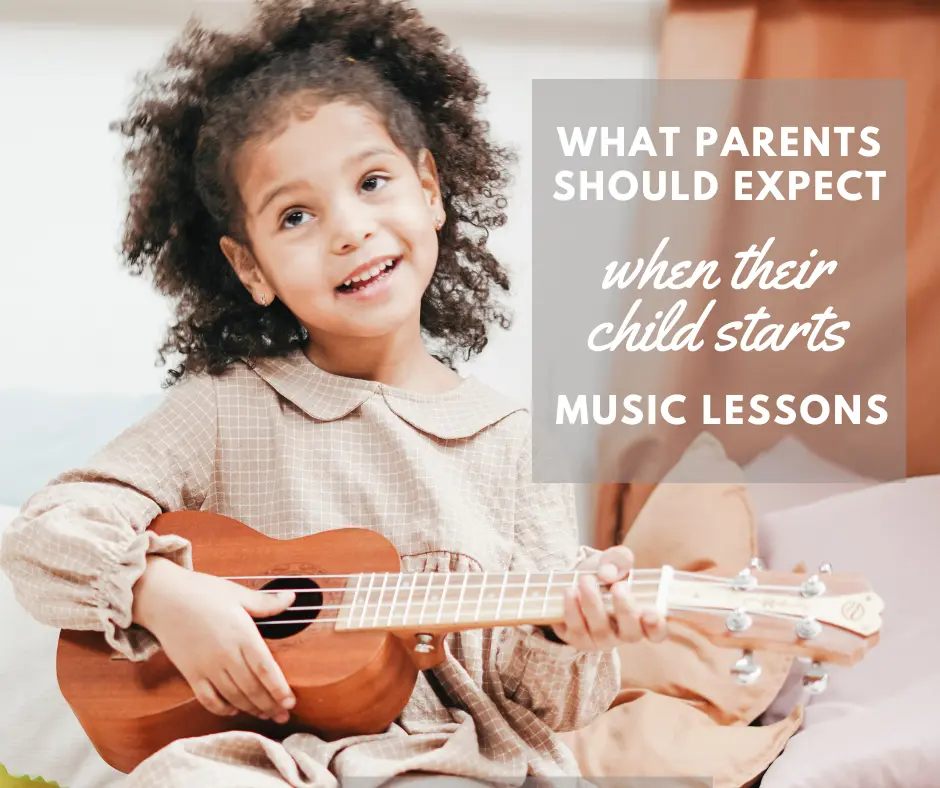
What Parents Should Expect When Their Child Starts Music Lessons
Quick answer
What should parents expect when their child starts music lessons?
When children first begin music lessons, parents should expect a gradual learning process focused on exploration, repetition, and building confidence. Beginner students often start with simple rhythms, basic patterns, and short activities before progressing to full songs. The most important early goals are developing enjoyment, consistency, and comfort with music learning.
Introduction
Starting music lessons is an exciting step for both children and parents.
But once the excitement settles in, a lot of parents begin wondering:
What should music lessons actually look like?
How quickly will my child progress?
How much should they practice?
Is it normal for them to lose focus sometimes?
These are incredibly common questions.
Many parents imagine music lessons as formal and structured from the very beginning, but beginner music learning often looks much different than expected; especially for young children.
In reality, the early stages of music education are usually centered around:
• exploring sounds
• repeating basic musical concepts
• listening to the teacher play something and repeating back what they hear
• practicing the basic movements and coordination to navigate or handle an instrument
• gaining confidence as they start learning and trying something new
The goal should never be perfection. The goal is helping children develop a positive relationship with music while gradually building foundational skills.
In this article, we’ll walk through what parents can realistically expect when their child begins music lessons and how to create a successful and encouraging experience at home.
Beginner Music Lessons Often Look Simpler Than Parents Expect
One of the biggest surprises for parents is how simple beginner music lessons can seem at first. Many adults understandably picture music lessons as children quickly learning full songs or sitting and practicing for long stretches of time. But for young beginners, music education usually starts much smaller and that’s actually a very good thing!
In the beginning, lessons are focused on building comfort, confidence, and foundational skills in a way that feels manageable for children.
Young students often begin with:
• short rhythms
• simple patterns
• listening activities
• musical games
• basic coordination exercises
For example, a beginner piano student may spend time identifying high and low sounds, tapping simple rhythms, and repeating short 3-note patterns to build listening skills, coordination, and musical confidence.
For example, a beginner drum student may spend time echoing simple rhythms, practicing a steady beat, and experimenting with loud and soft sounds through playful movement activities.
To adults, these kinds of exercises can sometimes seem overly simple or repetitive. But beneath the surface, children are building foundational skills like listening carefully, coordinating their movements, recognizing patterns, focusing on one task at a time, and developing confidence through small successes.
These early experiences matter far more than many parents realize. One of the most valuable things parents can do at the beginning of music lessons is manage their own expectations about what progress should look like. Young children often sense pressure, even when parents do not intend to create it, and if lessons become too performance-focused too early, some children may begin to feel discouraged or resistant.
When children feel safe to experiment, free to make mistakes, and encouraged for small victories, they are much more likely to build confidence and develop a lasting enjoyment of music. Strong musicians are rarely created through pressure or rushing. They are built through patience, repetition, encouragement, and positive early experiences that lay the groundwork for future growth.
Progress Happens Gradually
Music learning is usually a much more gradual process than families initially expect. In the beginning, progress often shows up in small but meaningful ways. A child may remember a rhythm from the week before, correctly play a few notes in a row, repeat a short musical pattern independently, or stay focused and engaged for an entire lesson. These moments may seem minor to adults, but they are actually important signs of growth.
For example, a child learning to keep a steady beat today is building the timing, coordination, and listening skills needed to eventually play full songs with confidence later on. In the same way, repeating simple patterns helps strengthen memory, focus, and musical understanding over time.
Music learning is deeply cumulative. Each small skill builds on the next, gradually creating a stronger foundation for future progress. That’s why consistency matters far more than speed in the early stages of learning.
One of the beautiful things about music education is that children are not just learning songs. They are learning patience, perseverance, discipline, and confidence along the way. Over time, those small early victories often grow into tremendous pride and accomplishment.
Attention, Motivation, and Practice Will Naturally Ebb and Flow
One of the most important things parents can understand about beginner music lessons is that young children are still developing focus, emotional regulation, and persistence. Because of this, it is completely normal for attention spans and motivation to vary from day to day. Some days your child may seem excited, highly engaged, and eager to practice. Other days, they may lose focus quickly, become frustrated easily, or need extra encouragement to participate. This does not mean music lessons are failing or that your child is not musical. This is simply part of the learning process, especially for young beginners.
Music learning (or learning in general for that matter!) is rarely perfectly linear. Children learn best when they feel safe, supported, and free to progress at their own pace.
This is also why practice should feel manageable rather than stressful or overly rigid. One of the biggest misconceptions about music lessons is that children need long, highly structured practice sessions to improve. In reality, young beginners often learn best through short, consistent, low-pressure interactions with music.
For many children, just 10–15 minutes a few times a week can be incredibly effective. And practice does not always need to look formal. It may involve clapping together in the kitchen, repeating a short piano pattern a few times, singing a favorite song in the car, or playing along with a short lesson video at home.
These playful moments are still meaningful musical learning experiences. In fact, when music feels enjoyable and approachable, children are often much more willing to return to it consistently over time. The goal is not constant perfection or nonstop enthusiasm but creating a positive relationship with music that can gradually grow stronger over the years.
How Parents Can Help
Parents play an important role in shaping a child’s early music experience. A few simple approaches can make a big difference:
- Keep expectations realistic
Music learning happens gradually. Celebrate effort, consistency, and small improvements rather than expecting perfection right away. - Stay encouraging
Positive reinforcement helps build confidence. Simple comments like “You’re getting better at that!” can go a long way. - Create a simple routine
Short, consistent practice moments like playing after dinner or singing before bedtime help music become part of everyday life. - Stay involved
Children are often more motivated when parents show interest, listen, or simply sit nearby during practice.
How Online Music Lessons Can Help Beginners
For many families, online music lessons provide a flexible and approachable way to begin.
Programs designed specifically for young learners like My Music Workshop focus on:
• beginner-friendly pacing
• short, engaging lessons
• repetition built into learning
• step-by-step instruction
Because lessons can be paused and repeated, children can move through material at a comfortable pace. This often helps reduce pressure and build confidence for beginners.
Frequently Asked Questions
How long does it take kids to learn an instrument?
Most children begin playing simple patterns or songs within a few weeks or months, but music learning is a gradual process that develops over years.
How often should beginners practice?
For young beginners, short sessions several times per week are usually very effective.
Is it normal for kids to lose interest sometimes?
Yes. Motivation naturally fluctuates, especially for young children learning something new.
Do parents need musical experience to help?
Not at all. Encouragement, consistency, and involvement are much more important than musical expertise.
Conclusion
Starting music lessons is the beginning of a gradual and rewarding journey. Early progress may seem small at first, but those little moments of growth build confidence, skills, and a lasting connection to music over time. Most importantly, children thrive when music feels encouraging, enjoyable, and free from pressure. The goal is not just learning an instrument. It is helping children develop creativity, confidence, and a lifelong love of learning.
Ready to Get Started?
If your child is ready to begin learning music, My Music Workshop offers beginner-friendly lessons designed specifically for young learners.
Families can explore engaging lessons in:
• piano
• drums
• ukulele
• singing
You can try the program free for 7 days and discover a fun, supportive way to introduce music into your child’s life.
About the Author
Carole Crocco is a music educator with My Music Workshop who has extensive experience teaching young children and helping families introduce music in fun and developmentally appropriate ways. She is also a classically trained soprano and a singer-songwriter.
Ready to start lessons at home?
Step-by-step video lessons for kids 4 to 12 with Mr. Elias, with play-alongs and picture quizzes. Each lesson takes about 10 to 15 minutes. From $10 a month.