Can Music Help with Attention, Focus, or ADHD in Children?
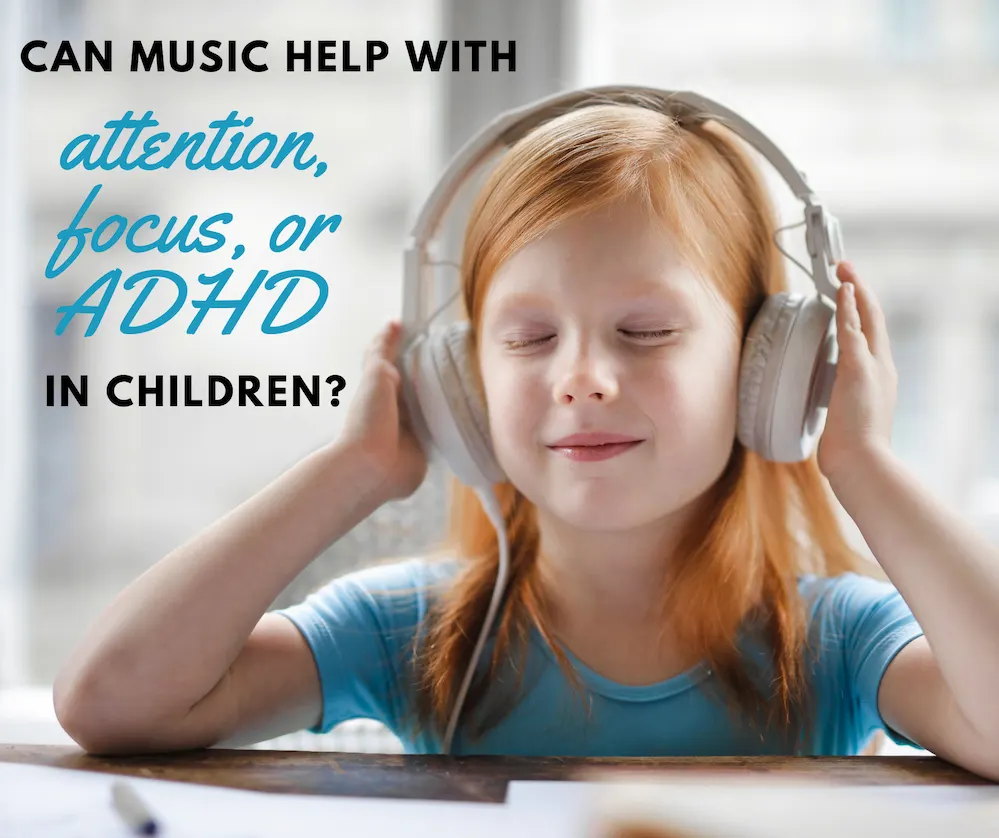
Many parents wonder if music can actually help their child pay attention, stay focused, or manage symptoms related to ADHD. The good news is, it absolutely can! Music is not a magical fix, but it is a surprisingly powerful and practical tool for helping children build focus, regulate emotions, and stay engaged. Even better, kids love it!
This article explains how music supports attention and focus, why it can be helpful for children with ADHD, and how to start using simple musical strategies at home without adding anything stressful to your day.
Why Music Can Boost Focus
Music is more than background noise. When a child sings, claps to a beat, or plays an instrument, several areas of the brain activate at the same time. That means they are practicing listening, timing, memory, impulse control, and emotional regulation all while having fun!
Here is what makes music so effective:
Music has rhythm and structure
Rhythm gives the brain something to follow. Children often focus better when there is a clear beat or predictable pattern.
Music boosts dopamine
Listening to or making music releases dopamine, the feel-good and motivation chemical in the brain. Children with ADHD often have lower levels of dopamine, so this natural boost can help them feel more focused and engaged.
Music is active and hands-on
Unlike many activities that require sitting still, music invites movement, participation, and joy! That keeps children naturally focused and involved.
What the Research Shows
Studies have found several ways music helps children with attention challenges and ADHD.
Here is a simple breakdown:
Music supports executive function
Executive function involves skills like memory, task switching, impulse control, and organization. Musical activities help strengthen these areas.
Music helps regulate emotions
Children who participate in music show improvements in emotional awareness, calmness, and the ability to stay regulated.
Rhythm activities build impulse control
Clapping games, drumming, or freeze dance all require pausing, waiting, and starting again. That helps build self-control and timing!
Simple Ways to Use Music at Home
You do not need special training, instruments, or long practice sessions to use music to support your child’s focus. You can start with small, everyday moments.
Use music for transitions
Music signals change in a gentle and structured way. Try a calm song before homework time or a fun cleanup song to reset the mood. Kids catch on quickly!
Play rhythm games that build focus
- Clap a pattern and have your child copy it.
- Play freeze dance!
- Tap a steady beat while counting, spelling, or reading.
These playful activities improve listening, timing, and impulse control.
Use music to help with emotional regulation
Feeling too hyper? Try soft piano or guitar music in the background. Feeling sluggish or unfocused? Try something upbeat to provide energy and motivation.
Make music part of your routine
Use the same songs for the same parts of the day. A morning song, a bedtime song, or a clean-up song helps children transition smoothly without battles or reminders.
Let your child explore freely
Children do not need to play perfectly. Let them sing, tap, hum, or experiment with sounds. Exploration is where the learning happens!
Does Background Music Help With Homework?
Sometimes it does! For some children, soft instrumental music helps them stay calm and reduces distractions. For others, any music can be overstimulating. The best approach is to experiment.
Try:
- Soft piano or guitar music
- Nature sounds with rhythm
- Music without lyrics
If your child seems calmer and more focused, great! If they start singing or getting distracted, silence might work better.
When Formal Music Instruction Helps
Structured music learning, such as group classes or instrument lessons, can help develop attention and self-control even more. Music practice builds listening skills, patience, persistence, and timing. It helps children learn to wait, follow patterns, and stay mentally engaged.
The key is making it enjoyable. Short, consistent practice sessions are more effective than long, stressful ones.
What Parents Often Ask
Can music replace therapy?
No. Music is a helpful support but not a replacement for medical or behavioral care.
Does my child need talent to benefit?
Not at all! The benefits come from participation, not perfection.
Is there a “best” type of music?
Not necessarily. The best music is whatever helps your child feel regulated, calm, and engaged.
Final Thoughts
Music will not solve every challenge, but it is a simple, joyful, and effective way to support attention, focus, and emotional balance in children. Whether through rhythm games, singing, or using music during daily routines, you can start making a difference today. And the best part? Kids love it!
My Music Workshop makes learning music simple, joyful, and accessible, right from home. Our interactive lessons and engaging videos help kids learn rhythm, instruments, and music basics in a way they love.
If you are looking for easy musical activities that build focus and self regulation at home or in the classroom, you can explore the resources available at My Music Workshop.
Ready to start lessons at home?
Step-by-step video lessons for kids 4 to 12 with Mr. Elias, with play-alongs and picture quizzes. Each lesson takes about 10 to 15 minutes. From $10 a month.