What Should Parents Look for in a Quality Music Program for Kids?
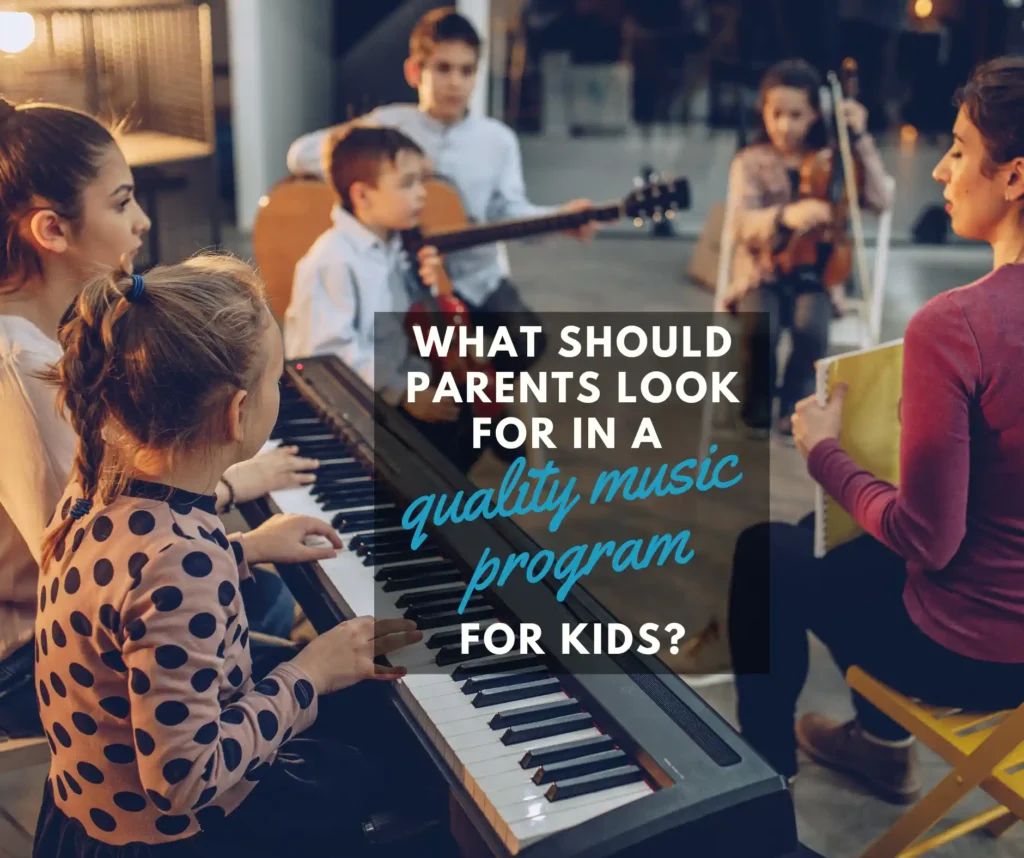
As parents, we all want to give our children opportunities to grow, discover, and thrive. Music education is one of the most powerful ways to nurture creativity, confidence, and focus. But with so many programs out there, it can be hard to know which one is right for your child.
Not every music program is created equal. Some focus mainly on technical skill, others on performance, and some are designed more as entertainment than education. The best programs find the balance..helping kids develop real musical understanding while keeping learning joyful and engaging.
If you’re wondering what to look for in a quality music program for kids, here are the key things to keep in mind.
1. A Foundation in Music Fundamentals
A great children’s music program teaches more than just songs — it helps kids build a strong musical foundation. This includes rhythm, melody, pitch, and tempo — the building blocks of all music.
At an early age, children may not be ready to read notes on a staff or play full pieces, but they can absolutely learn how music works. Programs that emphasize movement, rhythm games, and listening skills lay the groundwork for later success on any instrument.
Look for programs that:
- Teach rhythm and beat in fun, active ways (like clapping, dancing, and drumming).
- Encourage children to identify high vs. low sounds and fast vs. slow tempos.
- Introduce musical patterns through repetition and play.
A solid foundation ensures your child will not only enjoy music but also understand it which makes future learning easier and more rewarding.
2. Engaging, Age-Appropriate Lessons
Kids learn best when they’re having fun. For young children especially, music education should be interactive, energetic, and filled with variety.
Quality programs design lessons with attention spans and developmental stages in mind. A 4-year-old will learn best through movement and visuals, while an 8-year-old may be ready for more structured instrument practice.
Look for programs that:
- Use visual aids, songs, and stories to teach concepts.
- Include a mix of movement, listening, and hands-on activities.
- Adjust teaching methods based on the child’s age and ability level.
A great program keeps kids engaged without overwhelming them — striking that sweet spot between learning and play.
3. Instructors Who Inspire Confidence and Joy
The teacher or instructor is at the heart of any quality music program. The best ones are not only musically skilled but also passionate about connecting with children. They know how to make kids feel safe, encouraged, and excited to participate.
A great instructor:
- Understands child development and knows how to teach through play.
- Uses positive reinforcement and celebrates effort, not just results.
- Models patience, enthusiasm, and a genuine love of music.
The right teacher can make all the difference, transforming music lessons from a “class” into a joyful experience your child looks forward to.
4. Flexibility and Accessibility
Every family’s schedule is different, and every child learns at their own pace. That’s why flexibility matters.
Online music programs, for example, can make it easier for parents to fit lessons into busy lives. When designed thoughtfully, online learning can be just as effective — or even more so — than in-person classes, allowing children to learn in a comfortable, familiar environment.
Look for programs that:
- Offer on-demand or flexible learning options.
- Provide clear lesson progressions you can follow at home.
- Include materials you can revisit as your child grows.
My Music Workshop was created with this flexibility in mind — offering music education videos and activities that kids love, while giving parents and teachers tools to guide learning anywhere, anytime.
5. Opportunities for Exploration and Creativity
Music is not just about following instructions — it’s about self-expression. The best programs give children space to explore sounds, try different instruments, and make creative choices.
Programs that encourage improvisation, singing, and movement allow children to experience music as a living, expressive art form, not just a set of rules to memorize.
Ask yourself:
- Does this program let kids create their own rhythms or melodies?
- Are children encouraged to express feelings through sound and movement?
- Is curiosity celebrated as much as accuracy?
When kids are invited to be creative, they stay curious and motivated to keep learning.
6. A Supportive Learning Environment
Children thrive when they feel supported — both emotionally and socially. A quality music program builds community and encourages cooperation, not competition.
Look for programs that:
- Encourage group activities and teamwork.
- Celebrate each child’s unique pace and strengths.
- Create a safe, positive environment where mistakes are part of learning.
7. Clear Connection Between Music and Life Skills
Great music programs don’t just create musicians, they help children grow in focus, confidence, and perseverance. Learning music strengthens the brain, improves coordination, and builds emotional awareness.
Ask yourself:
- Does this program help children apply what they learn in music to other areas of life?
- Are lessons teaching patience, attention, and teamwork?
- Do instructors talk about how music connects to emotions and expression?
When kids experience how music helps them think, feel, and communicate, the lessons go far beyond the classroom.
8. A Joyful Approach to Learning
Above all, music should feel joyful. A quality program reminds children that music isn’t something to master overnight, it’s something to enjoy, explore, and grow with.
Programs that infuse laughter, curiosity, and encouragement help kids build a lifelong love of music.
At My Music Workshop, our goal is to spark that joy. Our interactive lessons blend rhythm, movement, and imagination — so kids don’t just learn about music, they learn to love it.
In Summary
When choosing a music program for your child, look for:
1. A focus on music fundamentals.
2. Age-appropriate, engaging lessons.
3. Skilled, encouraging teachers.
4. Flexibility and accessibility.
5. Opportunities for creativity and exploration.
6. A supportive, joyful learning environment.
A great program nurtures both musical skill and personal growth — helping children build confidence, express themselves, and discover the joy that music brings.
If you’re looking for a program that brings all of these elements together, My Music Workshop is a wonderful place to start. Our lessons are designed to inspire kids, support parents and teachers, and make learning music something the whole family can enjoy together.
Ready to start lessons at home?
Step-by-step video lessons for kids 4 to 12 with Mr. Elias, with play-alongs and picture quizzes. Each lesson takes about 10 to 15 minutes. From $10 a month.